
Packing for a Baja fishing trip is both simpler and more important than most anglers expect. Simpler because most charter boats provide basic gear, bait, and tackle — you don’t need to haul a tackle shop across the border. More important because the gear you do bring can make or break the experience: the wrong rod for dorado leaves fish behind, inadequate sun protection turns a three-day trip into three days of misery, and showing up without a good cooler means leaving your catch at the dock.
This guide is organized by category and includes specific recommendations for northern Baja (yellowtail, halibut) and southern Baja (dorado, wahoo, roosterfish, marlin). Pack what’s relevant to your destination and skip what isn’t.
Rods and Reels
The Northern Baja Setup (Yellowtail, Halibut, Rockfish)
For Ensenada, San Quintin, and the Coronado Islands, your Southern California offshore outfit works perfectly. The standard setup:
Rod 1 — Medium-heavy conventional (25–30lb class): A 6.5–7-foot rod rated for 20–40lb line paired with a lever-drag conventional reel. Penn Squall II 30 or Shimano Torium 20 Spool with 50lb braid and a 30lb fluorocarbon leader. This handles yellowtail on yo-yo iron, live bait, and bottom rigs for halibut.
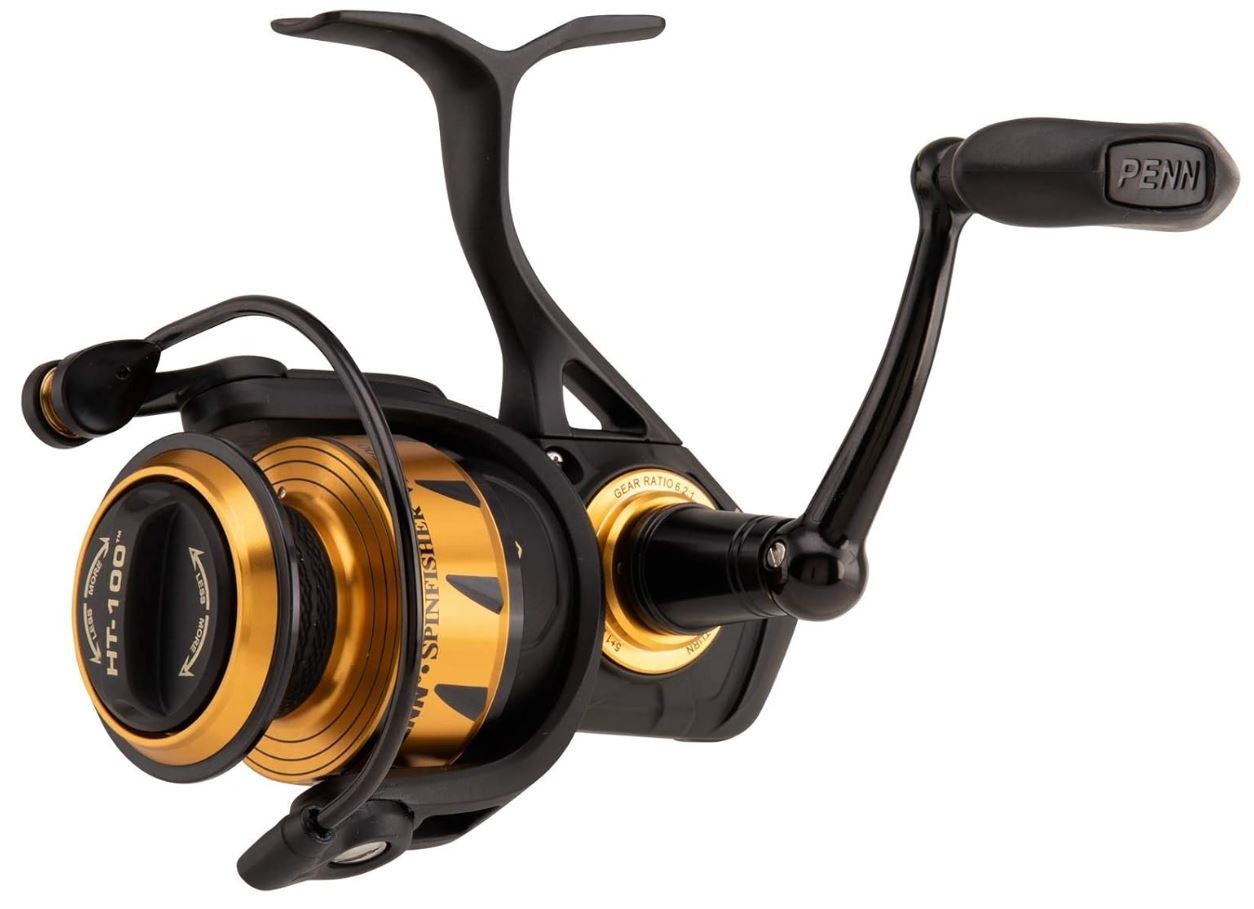
Rod 2 — Heavy spinning (30–40lb class): An 8-foot heavy spinning rod with a 6000–8000 size reel. Penn Spinfisher VII 6500 For surface iron, casting to breaking fish, and live bait presentations where you need distance. Spool with 50–65lb braid.
The Southern Baja Setup (Dorado, Wahoo, Roosterfish, Tuna)
Southern Baja demands more versatility — you may encounter dorado on light tackle one moment and a large wahoo the next.
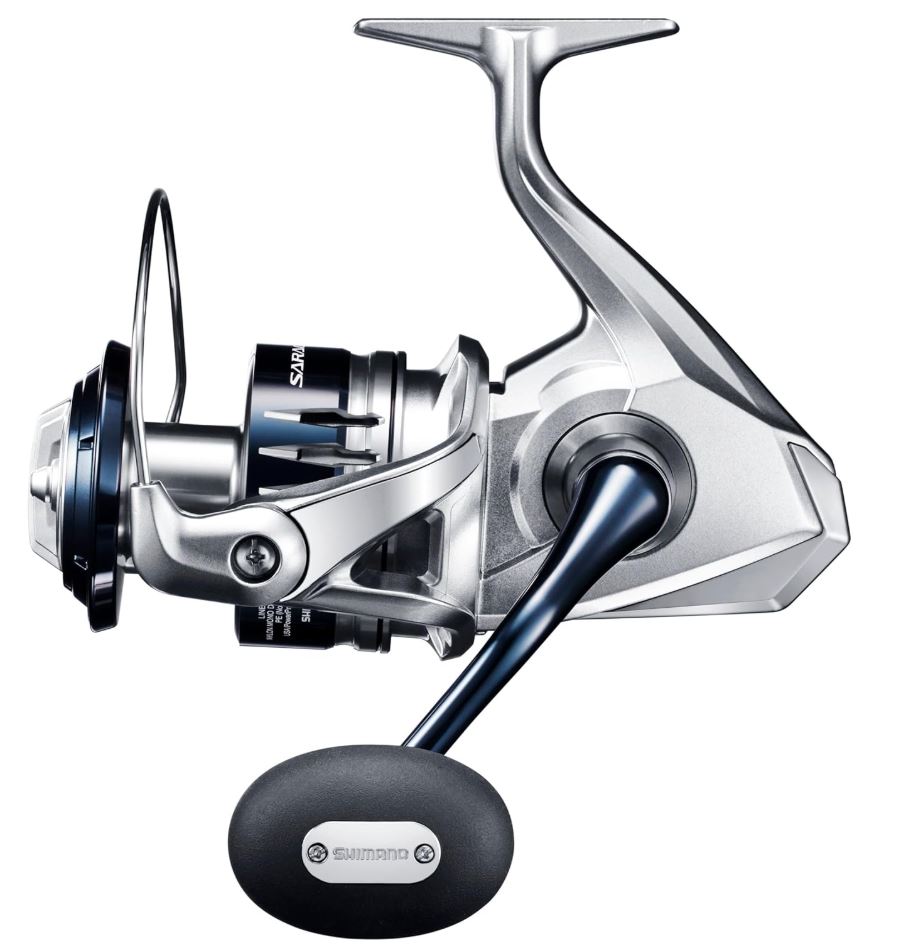
Rod 1 — Light spinning (20–25lb class): A 7-foot medium-heavy spinning rod with a 4000–5000 size reel. Shimano Saragosa 5000 Spool with 30lb braid and 25lb fluorocarbon leader. This is your dorado and roosterfish setup — light enough to be fun, strong enough to handle a 40-pound fish.
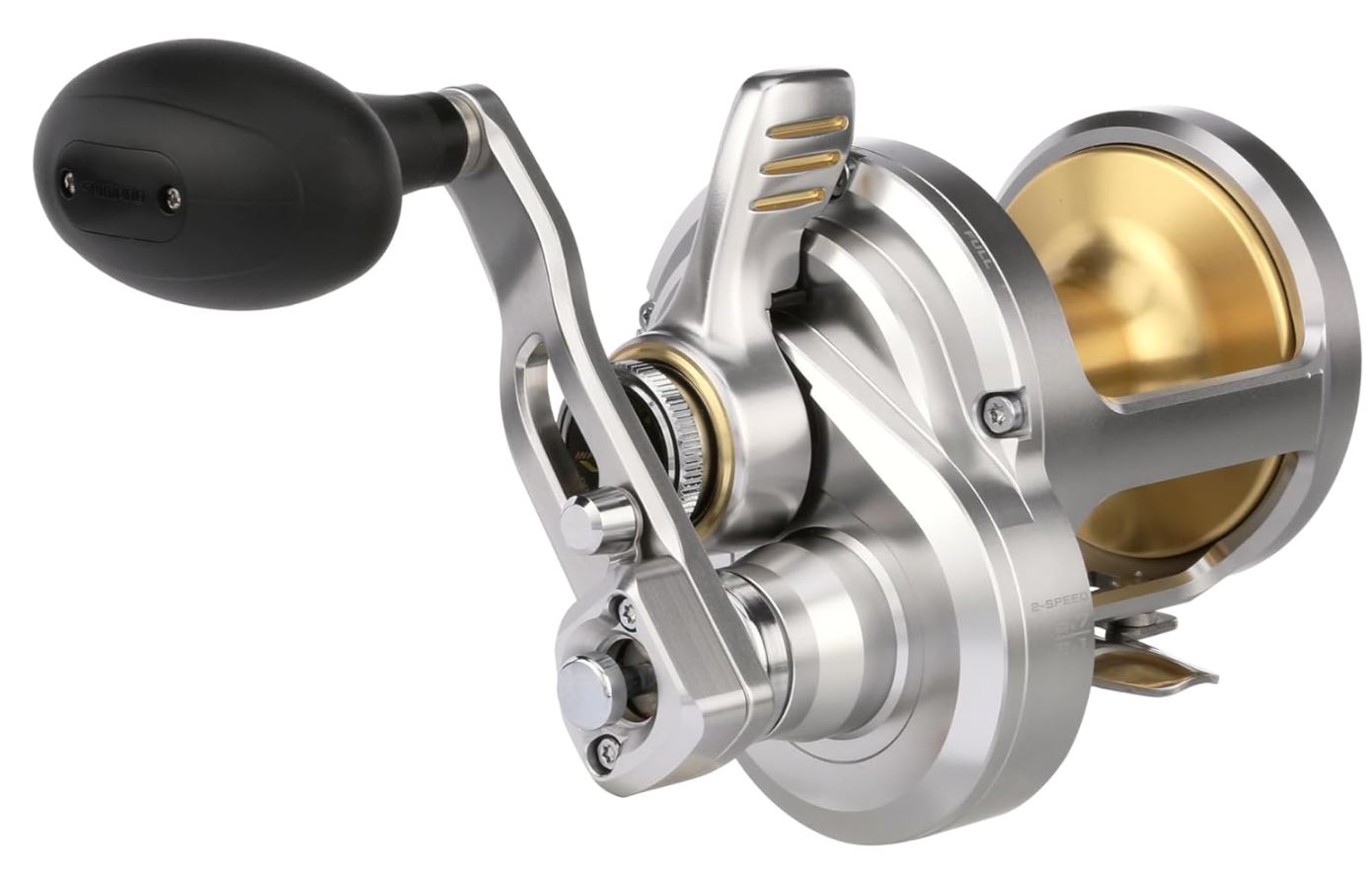
Rod 2 — Medium-heavy conventional (40–50lb class): Your offshore workhorse for tuna, wahoo, and larger dorado. Shimano Talica 16 Spool with 65lb braid and 50lb fluorocarbon or wire for wahoo.
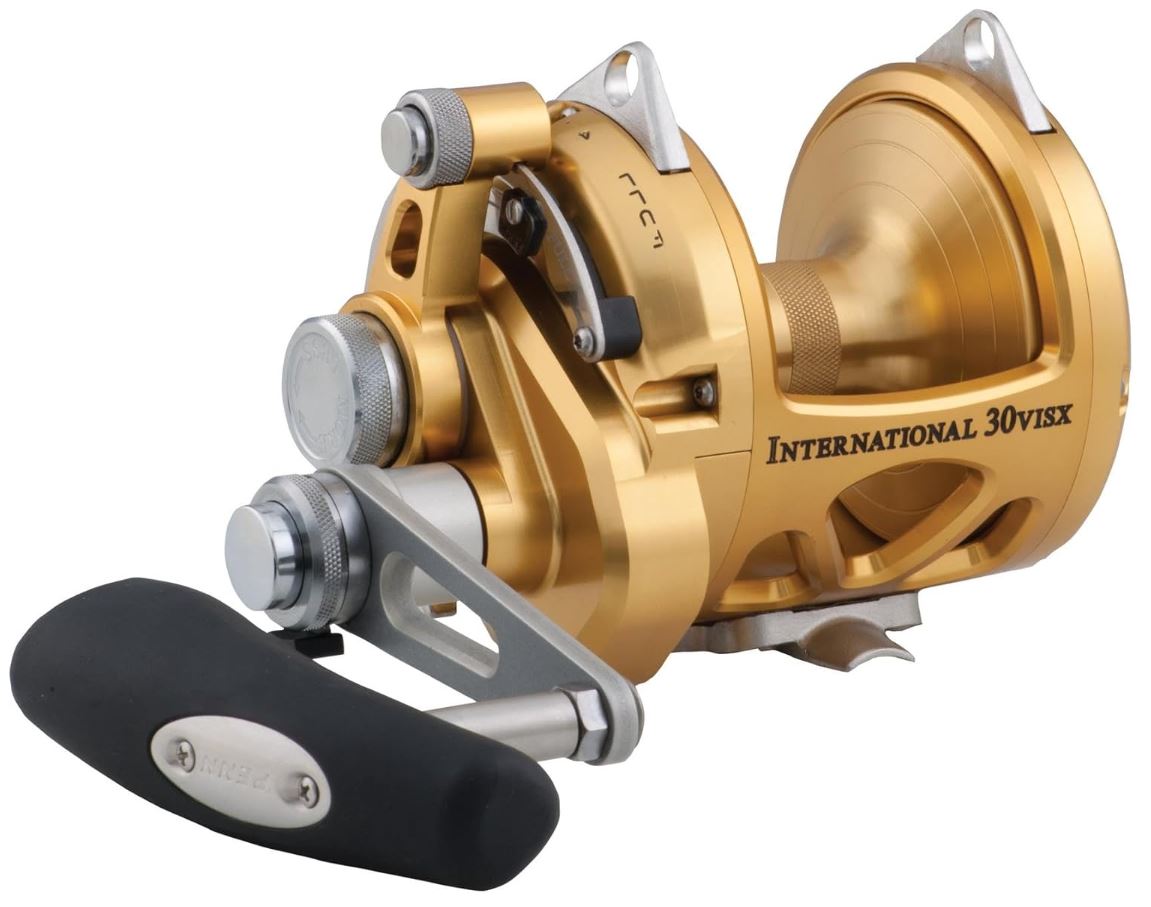
Rod 3 — Heavy conventional (60–80lb class): If you’re targeting marlin or big wahoo around Cabo. Penn International 50 or Shimano Tiagra 50 This is specialty gear — if you’re booking through a Cabo cruiser, the boat will often provide this.
Rod Travel Cases
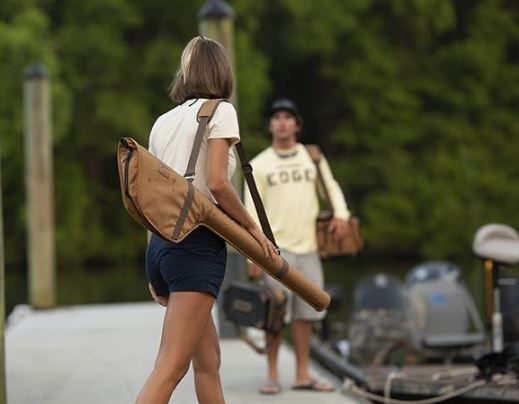
If you’re flying to Cabo or La Paz, invest in a quality rod case. Airline baggage handlers are not gentle. Plano rod travel case Hard-sided cases protect expensive gear. Most accept rods up to 8 feet and hold 4–6 broken-down rods.
Terminal Tackle
Hooks
Bring more hooks than you think you need — you’ll lose them faster than expected and the boat’s tackle shop will charge premium prices.
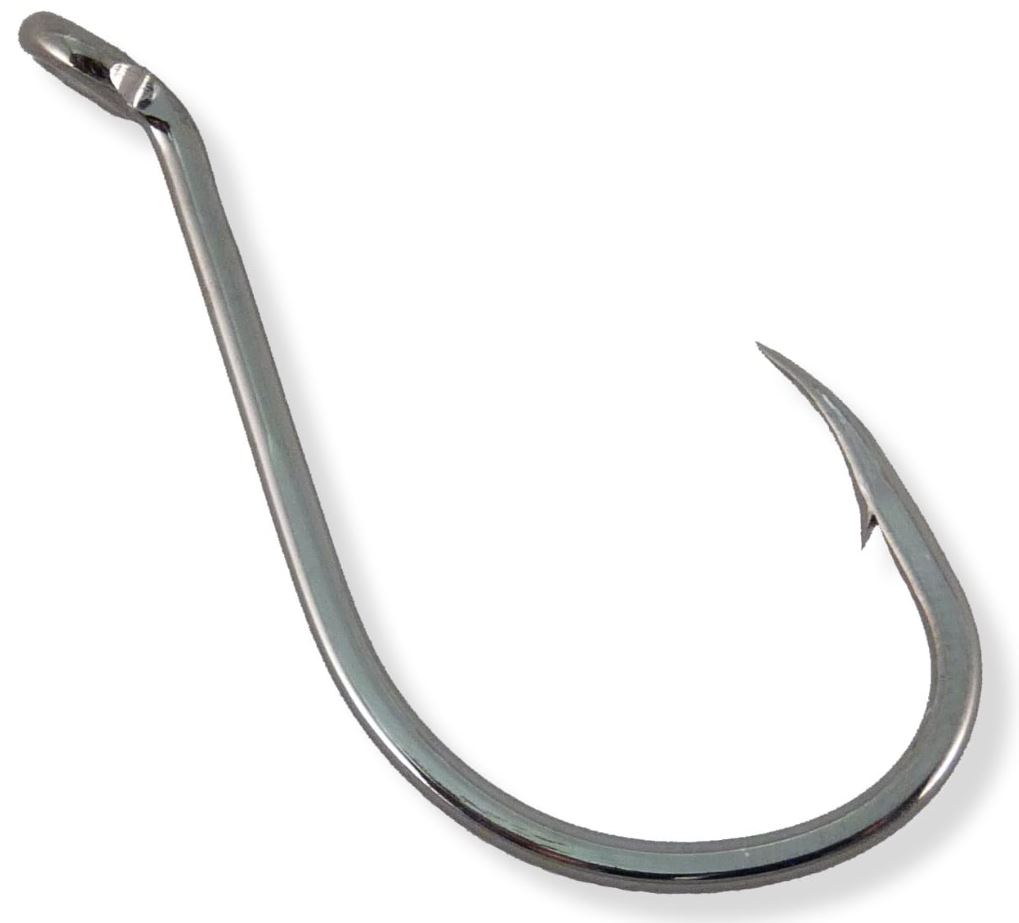
- Owner circle hooks: 1/0, 2/0, 3/0, 4/0 for live bait. Owner Mutu Light Circle hooks At least 10 of each size. Circle hooks are standard on most SoCal and northern Baja boats for live bait fishing.
- J-hooks: 2/0–4/0 for chunk bait and certain jig presentations. Owner J hooks
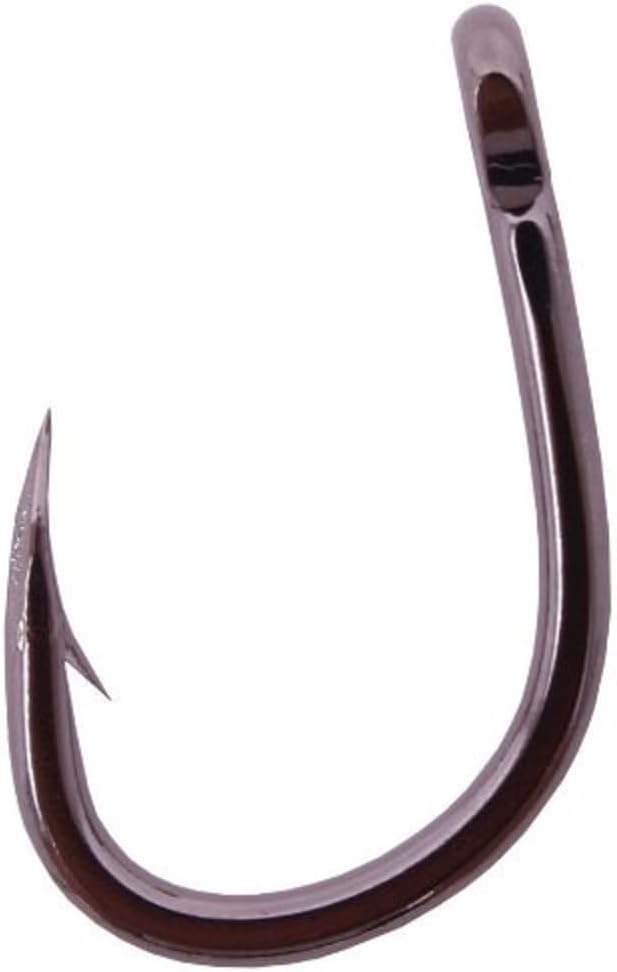
- Roosterfish and dorado hooks: 5/0–8/0 for large live bait presentations in southern Baja. Owner 5/0 live bait hooks
- Treble hooks: A few in size 1 and 1/0 for replacing worn trebles on surface irons and poppers.
Leader Material
Fluorocarbon leader in multiple strengths is non-negotiable — Baja fish can be extremely leader-shy, especially dorado and yellowtail in clear water.
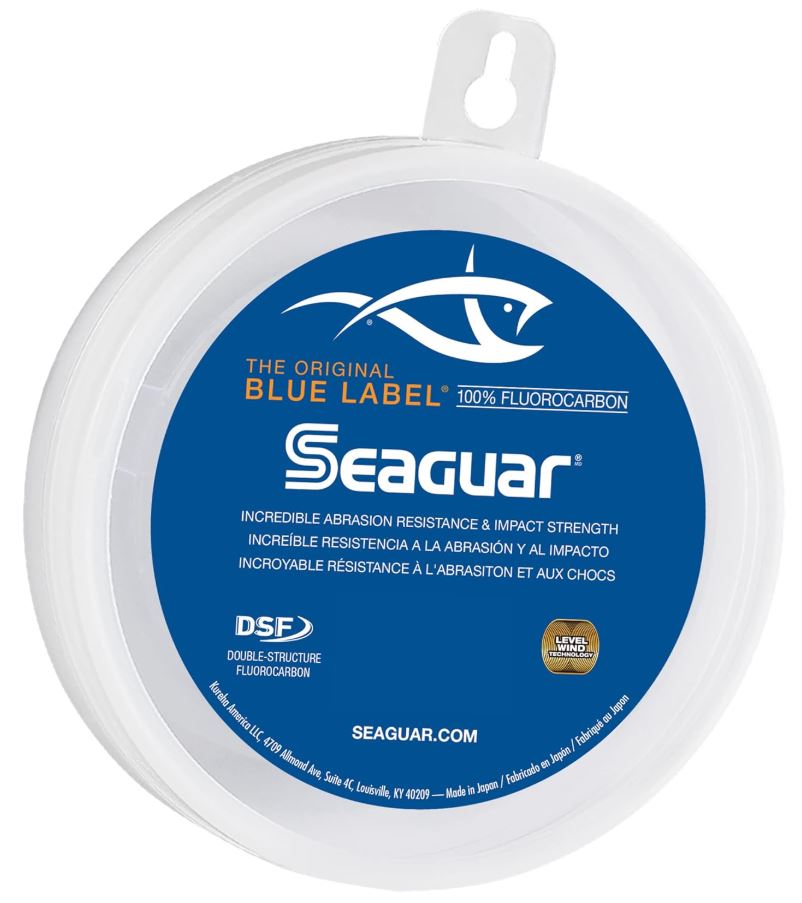
- 20lb fluorocarbon — dorado on light tackle Seaguar Blue Label fluorocarbon
- 30lb fluorocarbon — yellowtail, tuna, general purpose
- 40lb fluorocarbon — heavier live bait, tuna
- 60–80lb fluorocarbon — marlin and billfish leaders
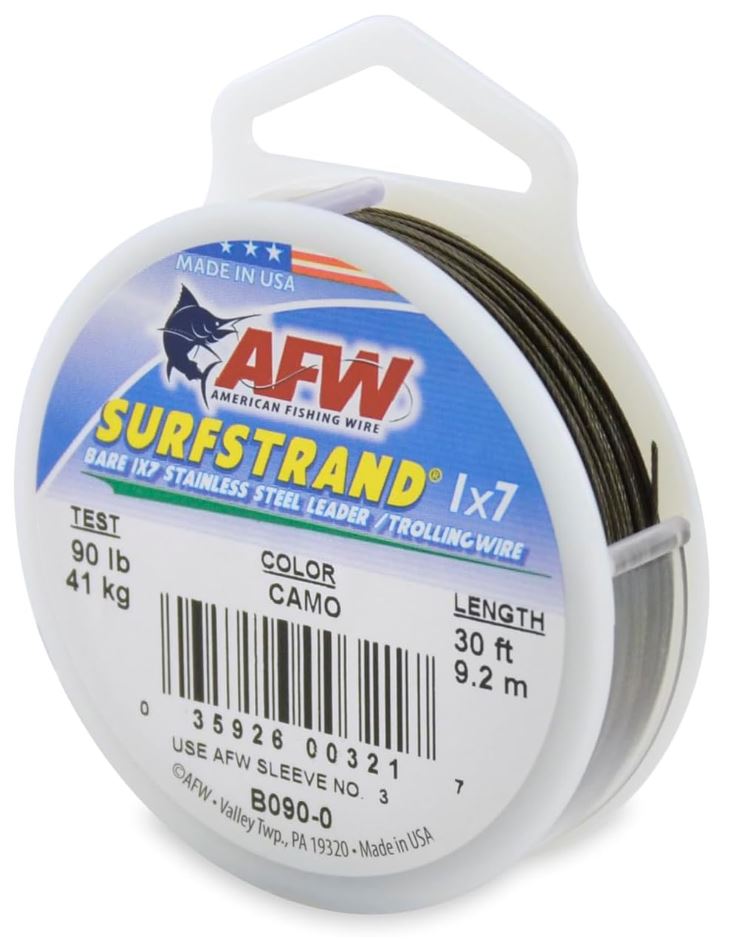
- Wire leader (80–100lb): Absolutely essential for wahoo — they will bite through any mono or fluoro. American Fishing Wire stainless steel leader
Jigs and Lures
For yellowtail (northern Baja):
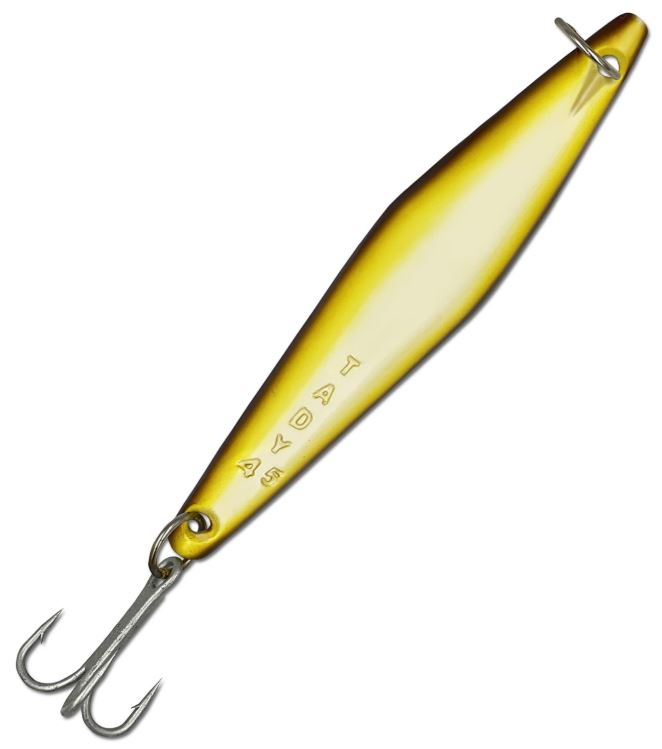
- Tady 45 in blue/white and scrambled egg — the most reliable yo-yo jig for Baja yellowtail
- Salas 7X light — lighter alternative for when yellows are finicky
- Tady 4/0 or Tady Heavy in chrome/blue for heavier fish
For dorado (southern Baja):
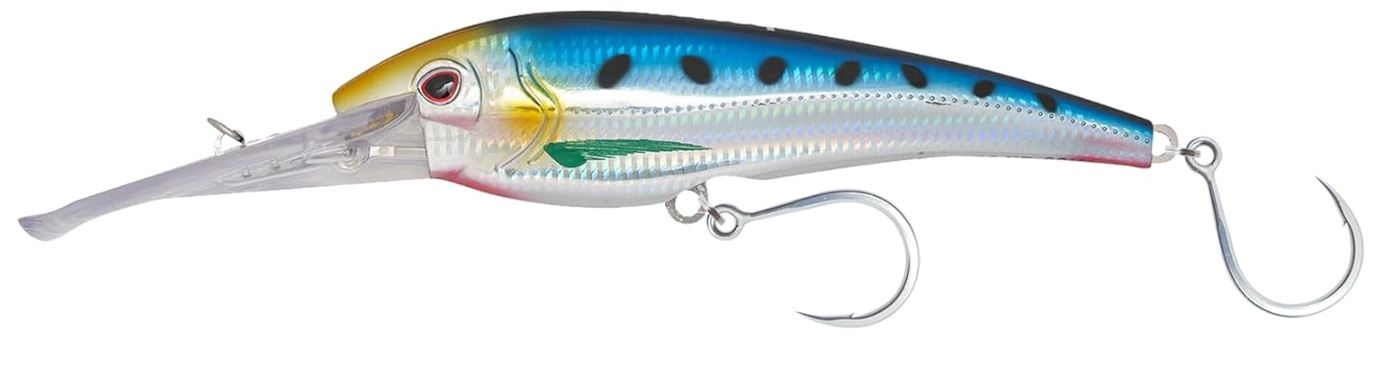
- Nomad DTX Minnow 200 — one of the best dorado lures made, in chartreuse/yellow
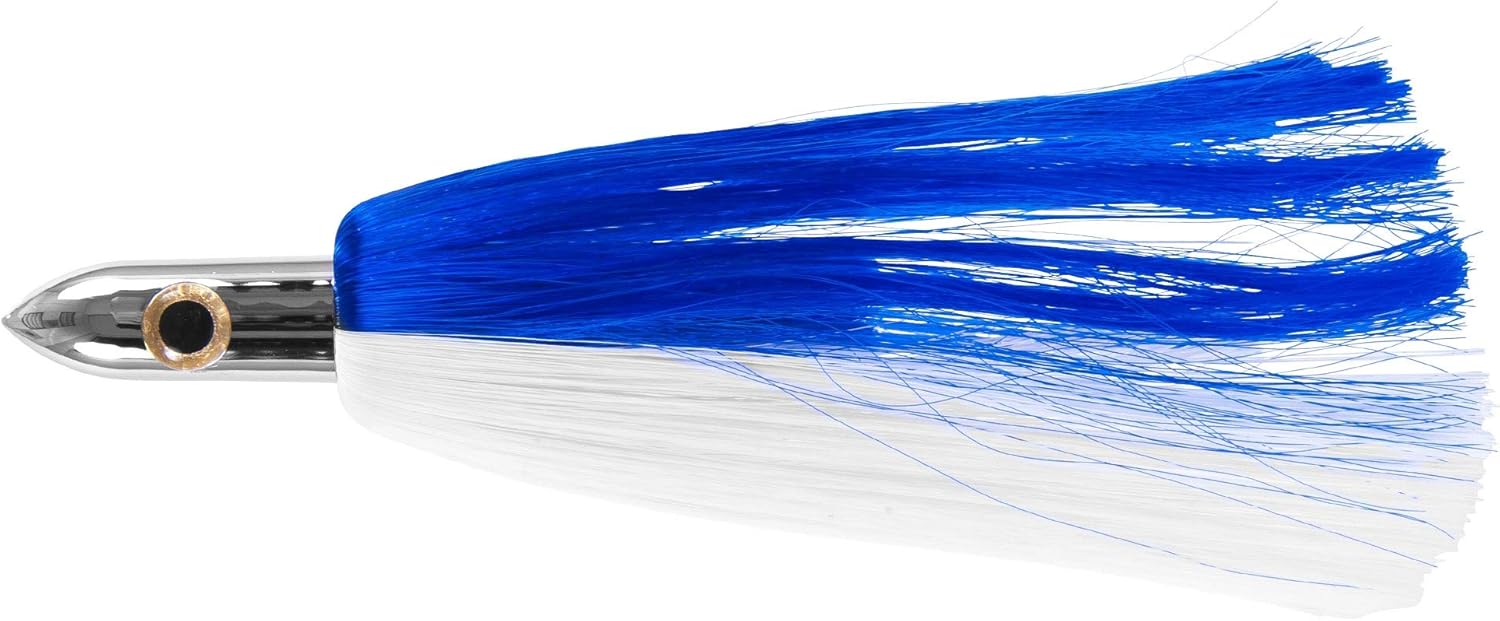
- Ilander trolling lures — classic trolling feather for running between spots
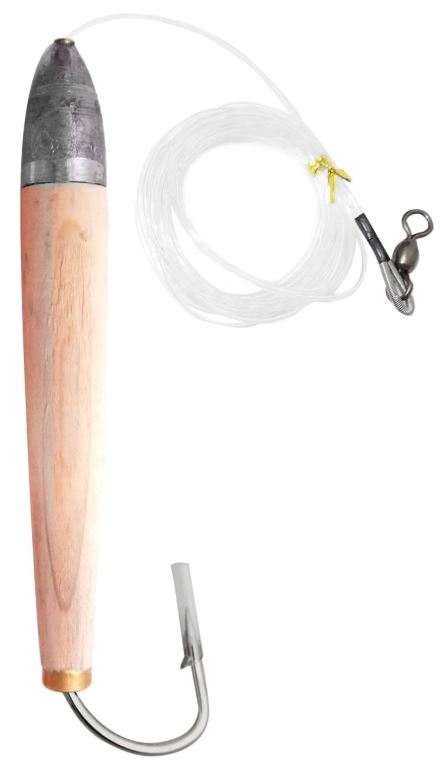
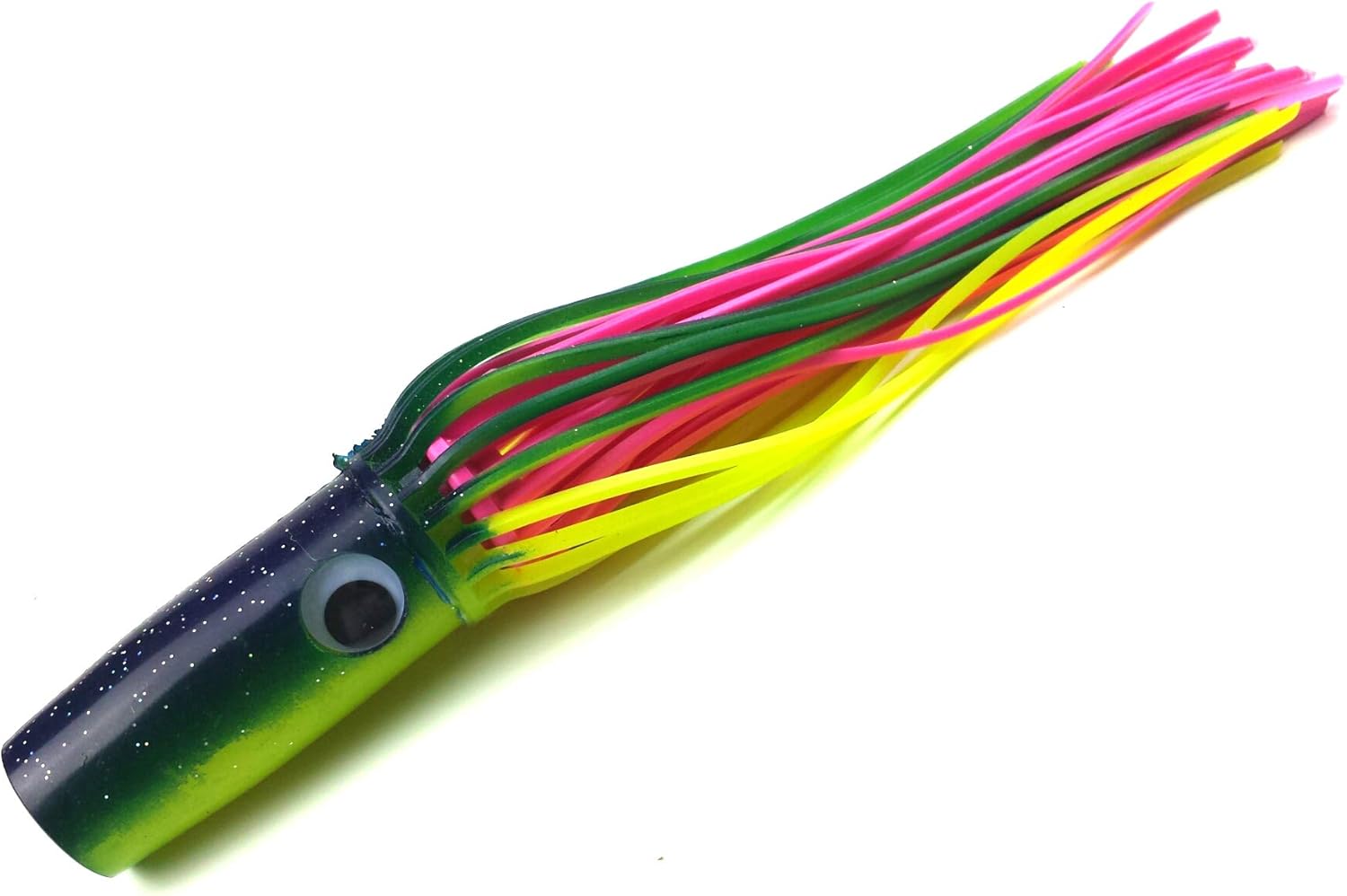
- cedar plug — simple, effective trolling lure that dorado and tuna eat readily
- Poppers and stickbaits (100–150g) for casting to paddies
For wahoo:
- Iland Lure flasher series — purpose-built high-speed wahoo lure
- Mold Craft Wide Range — classic offshore lure that wahoo love
- Speed trolling requires heavier, more durable lures than standard trolling — don’t use cheap plastic here
For roosterfish:
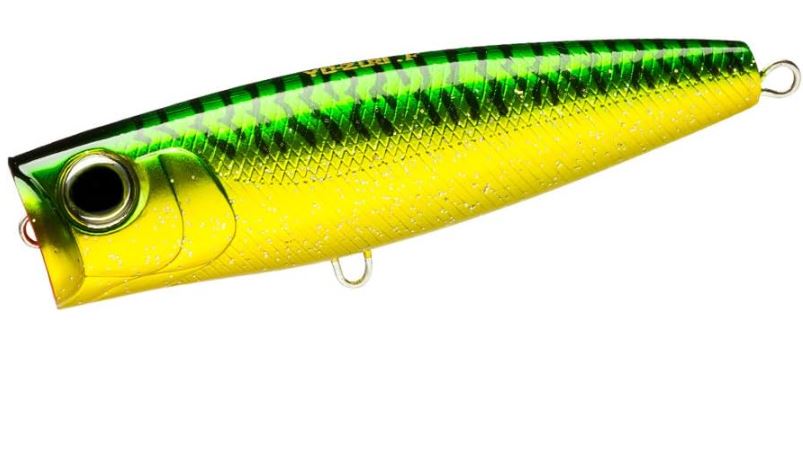
- Yo-Zuri Hydro Popper — large surface popper that roosterfish attack aggressively
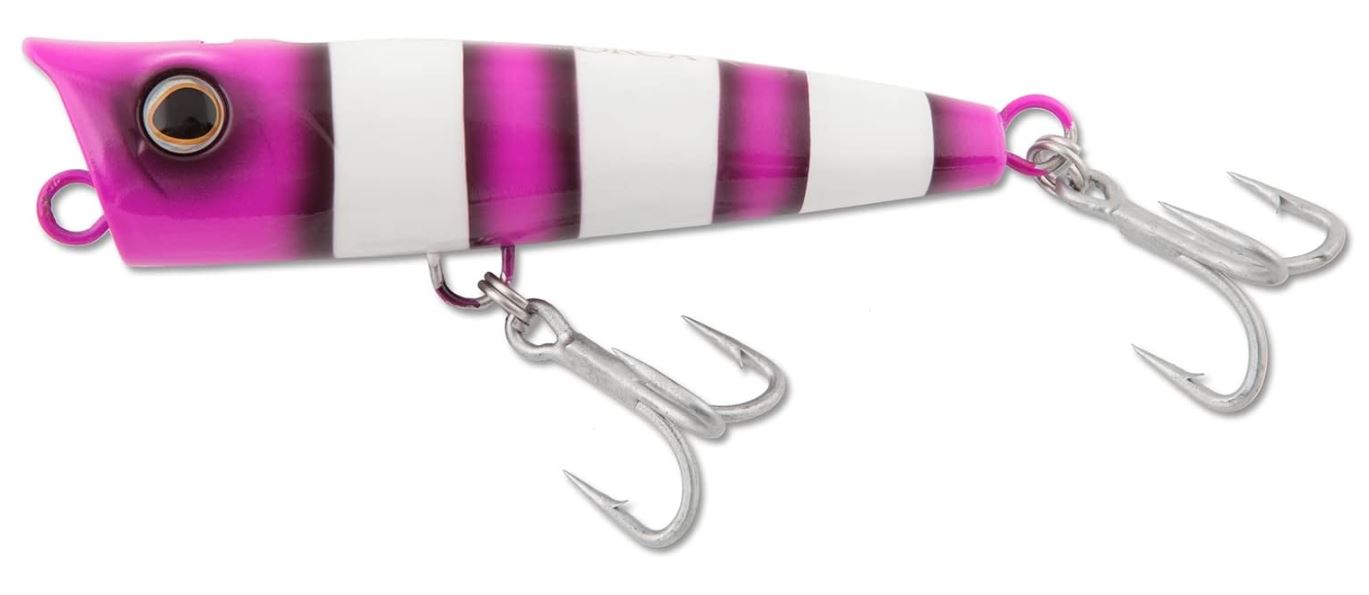
- Shimano Orca popper — premium option for big roosterfish
- Large stickbaits (180–200mm) for when fish are less aggressive at the surface
Sinkers, Swivels, and Hardware
- Egg sinkers: 1oz, 2oz, 3oz for slider rigs and live bait presentations
- Barrel swivels: sizes 3, 5, and 8
- Snap swivels for quick lure changes
- Solid rings and split rings for jig and popper hook swaps
- Bobber stops for sliding sinker rigs
Tools
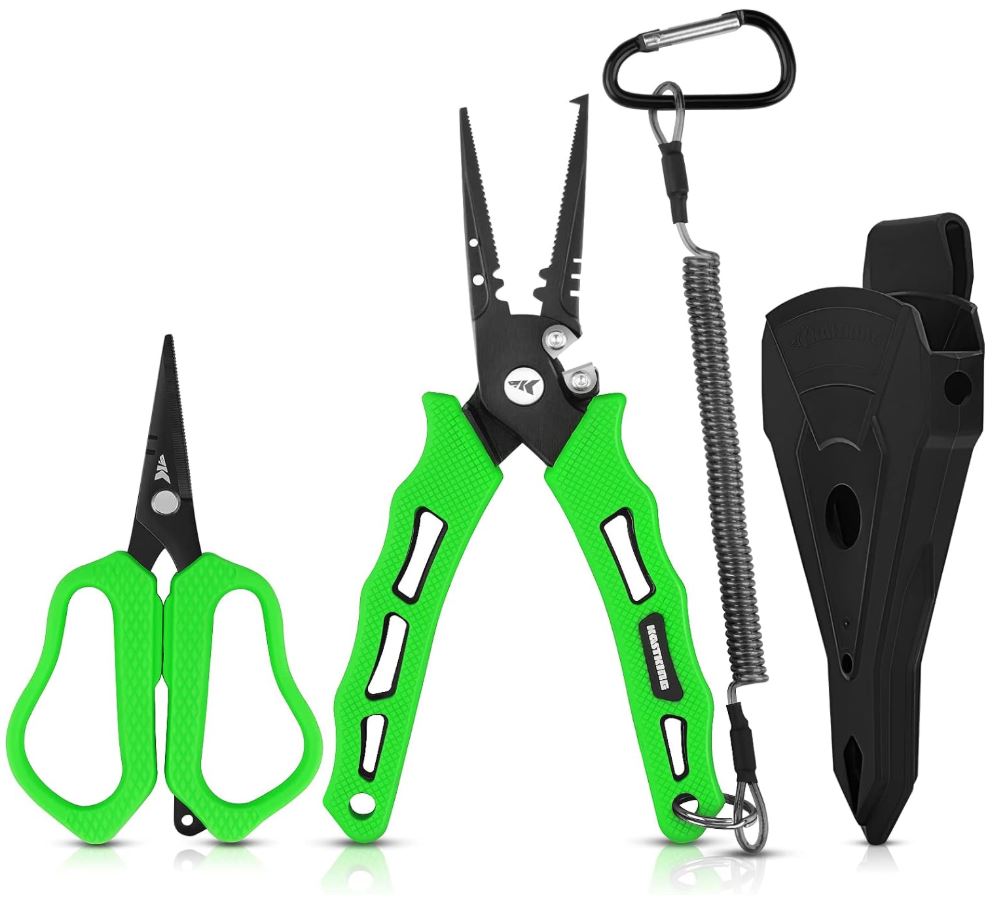
- Braid scissors: Standard scissors chew through braid poorly. Shimano braid scissors or dedicated line cutters
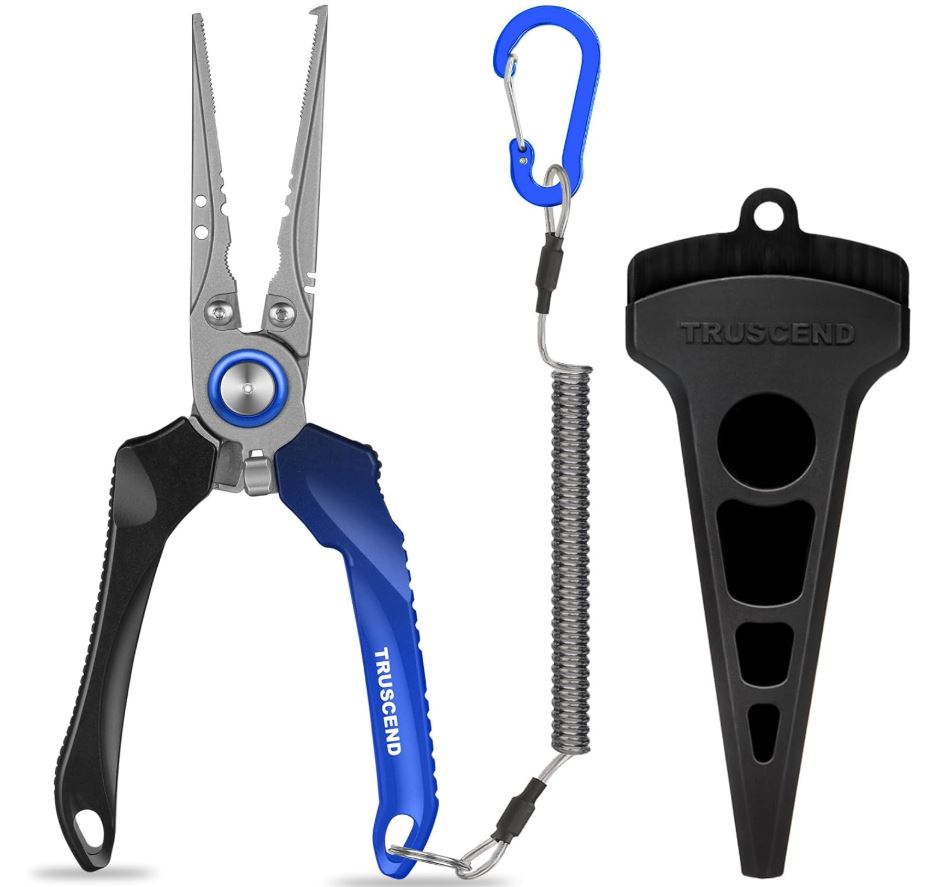
- Long-nose pliers: For hook removal, especially when fish are gut-hooked. fishing pliers with holster
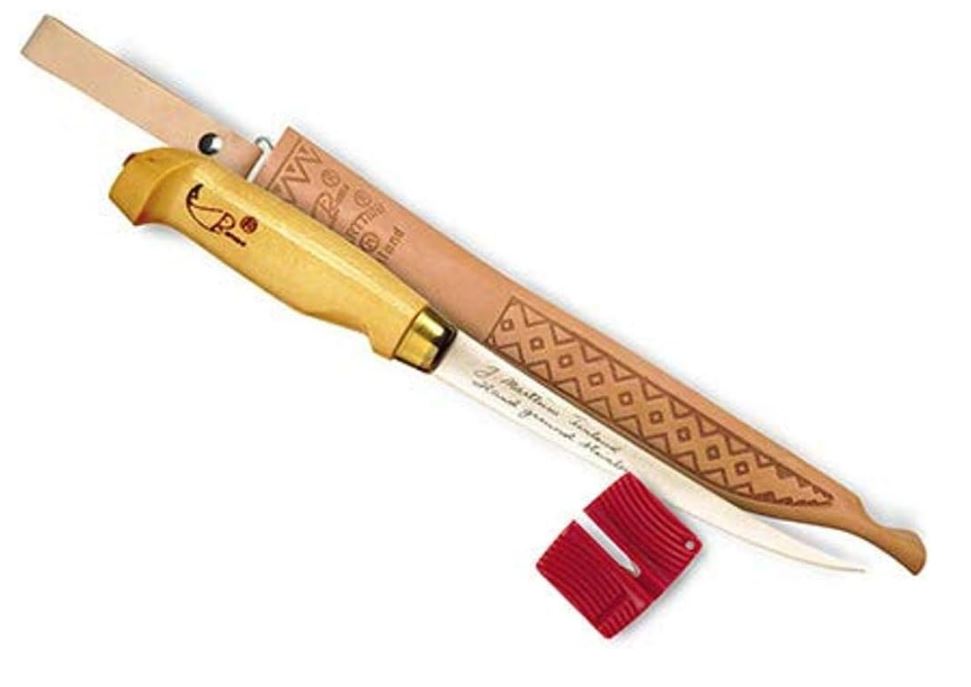
- Fillet knife: If you’re cleaning your own fish. A good 9-inch fillet knife handles everything from halibut to dorado. Rapala fillet knife
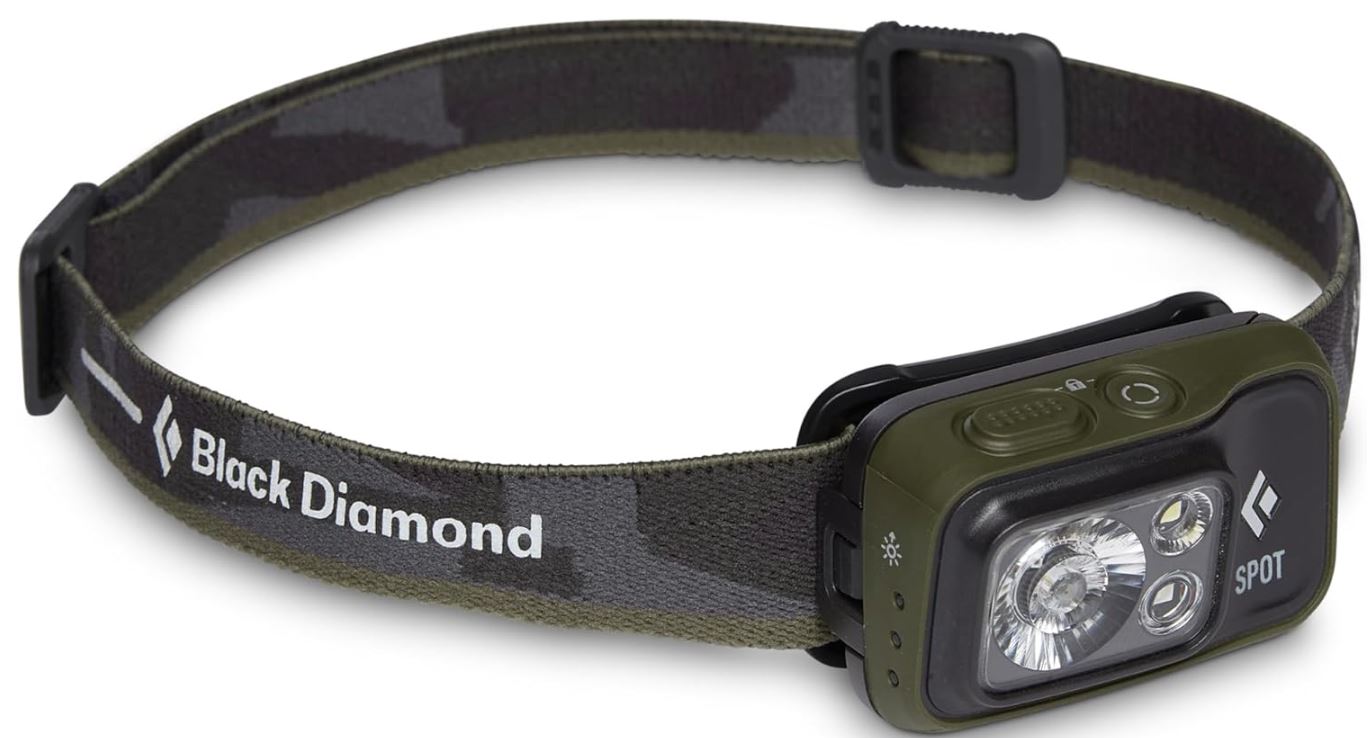
- Headlamp: Essential for pre-dawn rigging, night fishing, and navigating boat decks in the dark. Black Diamond headlamp Bring a spare battery.
- Hook file: Keep points sharp. Running a jig across the rocks dulls the hook — a quick file keeps you fishing instead of missing strikes.
- Small screwdriver and Allen key: For reel adjustments on the water.
Clothing and Sun Protection
The Baja sun is intense — more intense than you expect, amplified by water reflection and wind. Underestimate sun protection and you’ll pay for it on day two.
Sun Shirts and Layers
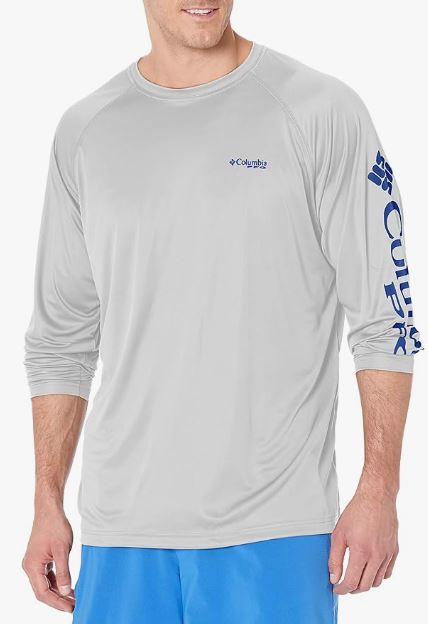
- UPF 50 long-sleeve sun shirts: The single most important clothing item. Columbia PFG long sleeve sun shirt Two or three — you’ll wear one every day on the water. Avoid cotton; it absorbs sweat and provides no UV protection when wet.
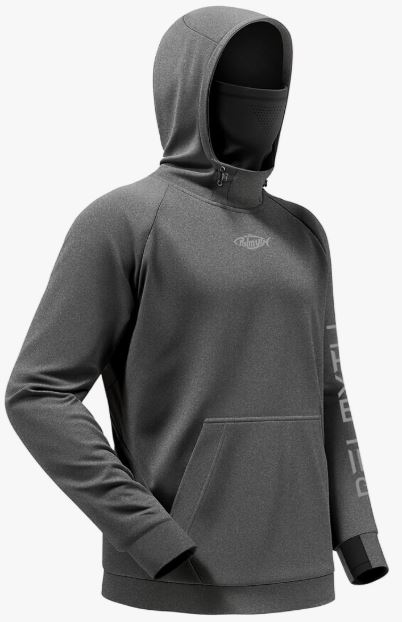
- Fleece or lightweight jacket: For early morning departures and offshore trips where wind and spray make it cold regardless of air temperature. lightweight fishing fleece
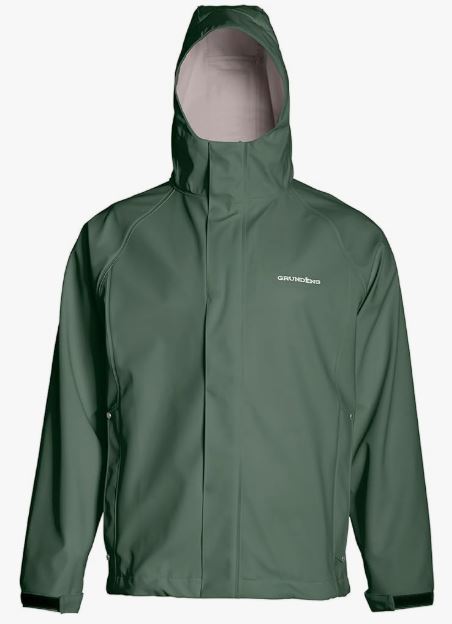
- Lightweight waterproof jacket: Essential for overnight or multi-day trips. Even summer mornings offshore can be wet and cold. Grundens waterproof fishing jacket
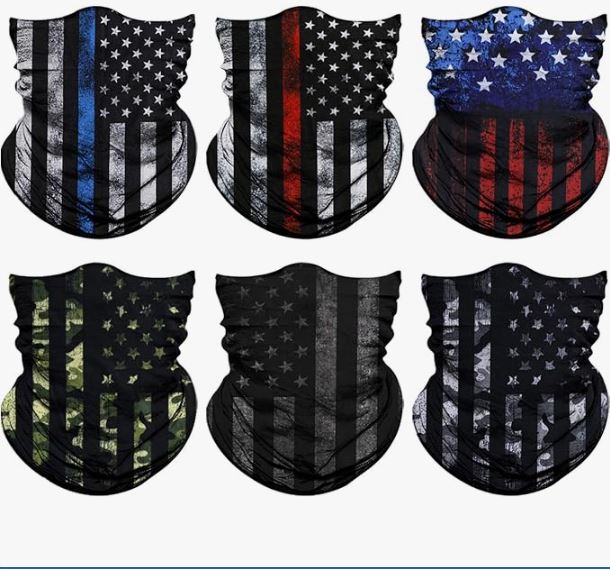
- Buff or neck gaiter: Protects neck and lower face — areas that sunscreen alone misses. Buff UV neck gaiter
Hats
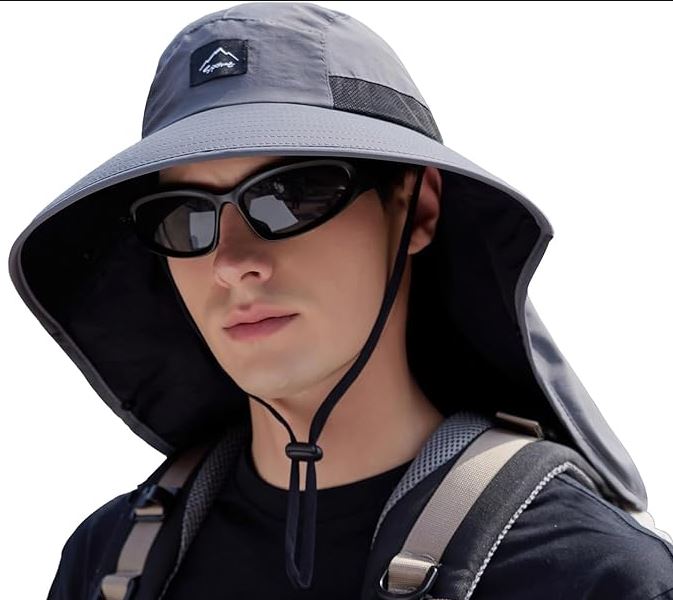
- Wide-brim sun hat: For full face and neck coverage when not actively casting. Simms Guide Hat or similar
- Fitted cap with polarized sunglasses: For casting and sight fishing where a wide brim interferes with your casting stroke.
Sunglasses
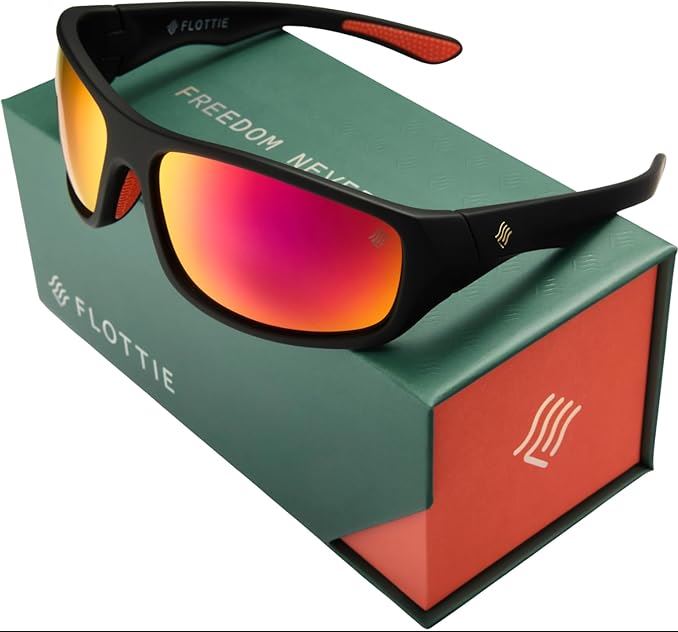
Polarized fishing sunglasses are non-negotiable — they cut glare, help you spot fish, and protect your eyes from hooks and flying lead. Costas or Oakleys with polarized lenses Don’t fish without them.
Sunscreen
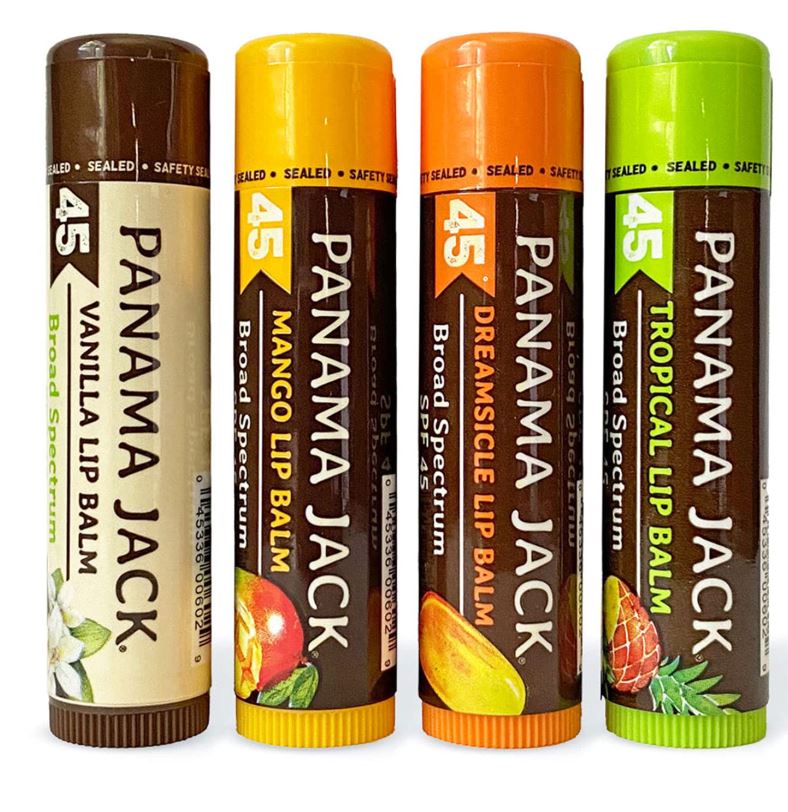
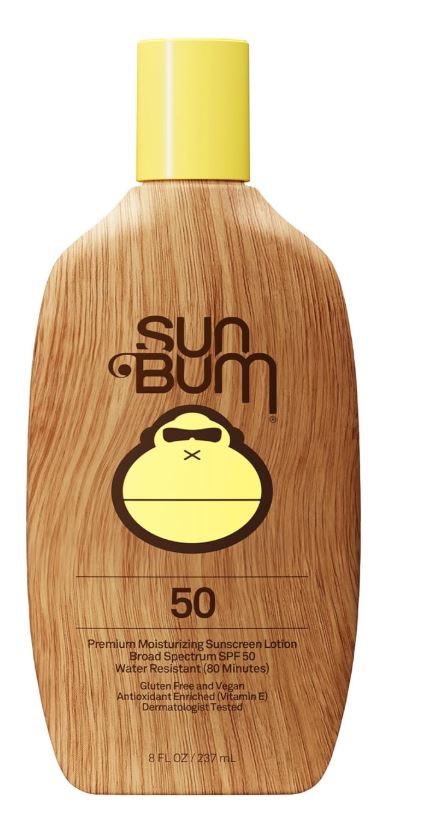
Reef-safe, high SPF (50+), water-resistant sunscreen for any exposed skin. Apply before you leave the dock and reapply every two hours. Sun Bum reef-safe SPF 50 Your lips are an overlooked burn zone — lip balm with SPF is worth carrying.
Footwear
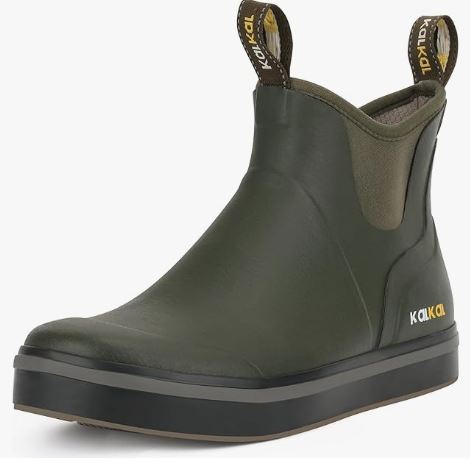
Non-marking rubber-soled boat shoes or deck boots — mandatory. The deck is wet, slimy, and slippery. Sandals and regular sneakers are a recipe for a fall overboard.
Gloves
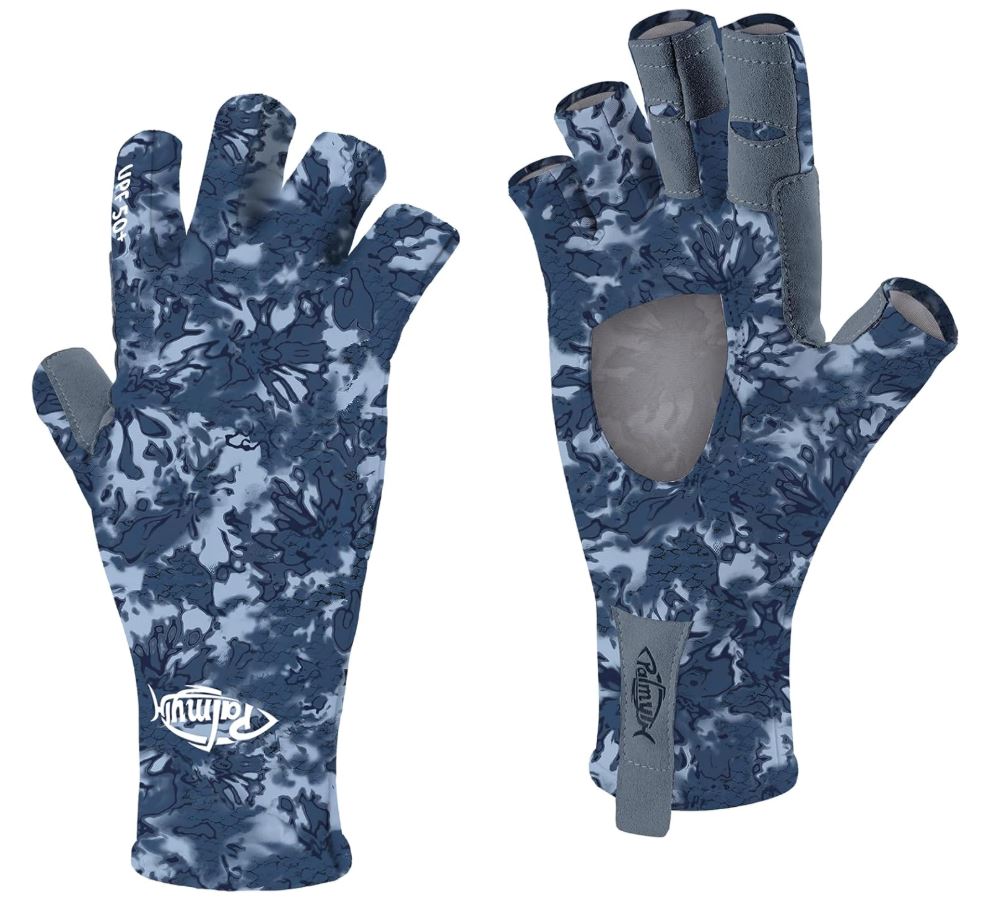
Fingerless fishing gloves protect your hands when handling fish, tying braid (which cuts bare skin), and fighting fish on the rail.
Coolers and Fish Storage
If you’re planning to bring fish home — and you should, Baja produces exceptional eating fish — invest in a quality cooler. Charter boats usually have ice available but not always adequate storage for a full day’s catch per angler.
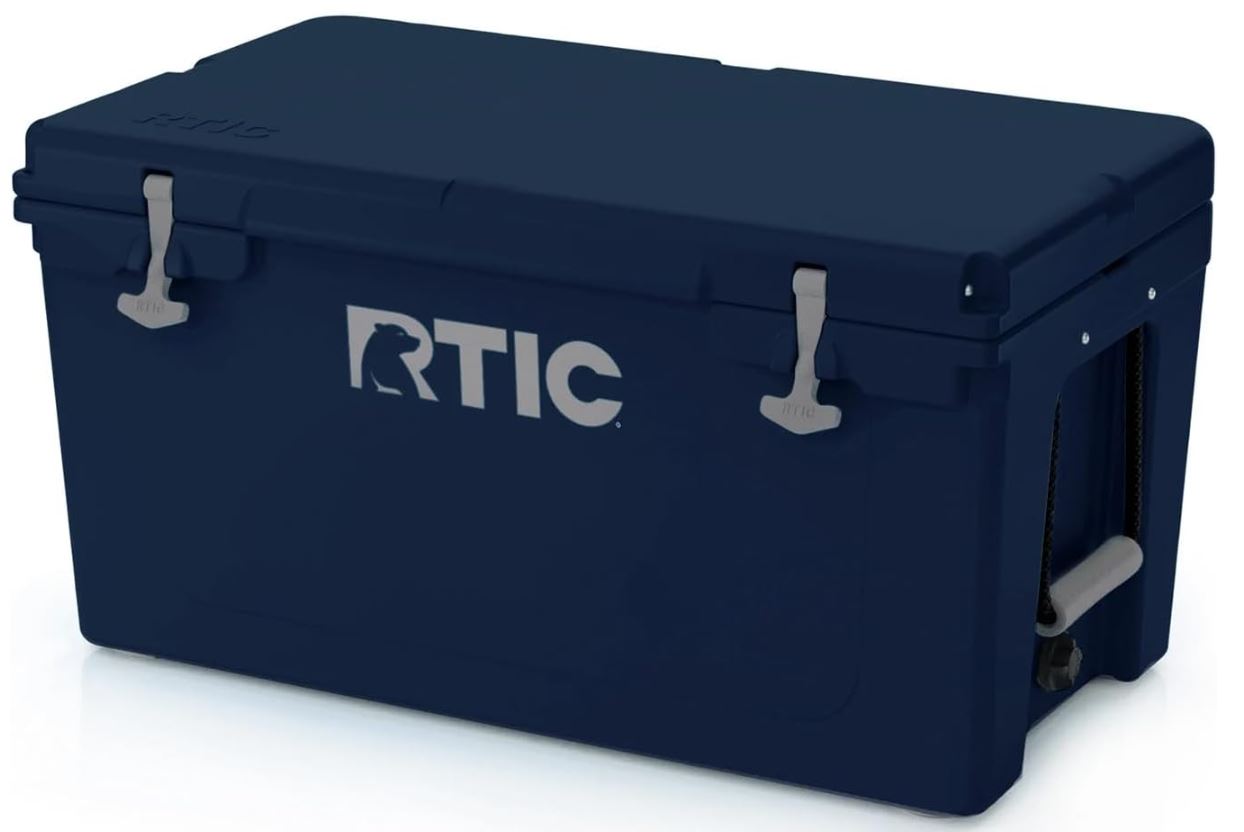
- 65–105 quart rotomolded cooler: Keeps fish fresh for 2–3 days with enough ice. RTIC 65 or YETI Tundra 65 The rotomolded construction resists cracking and maintains temperature far better than cheap alternatives.
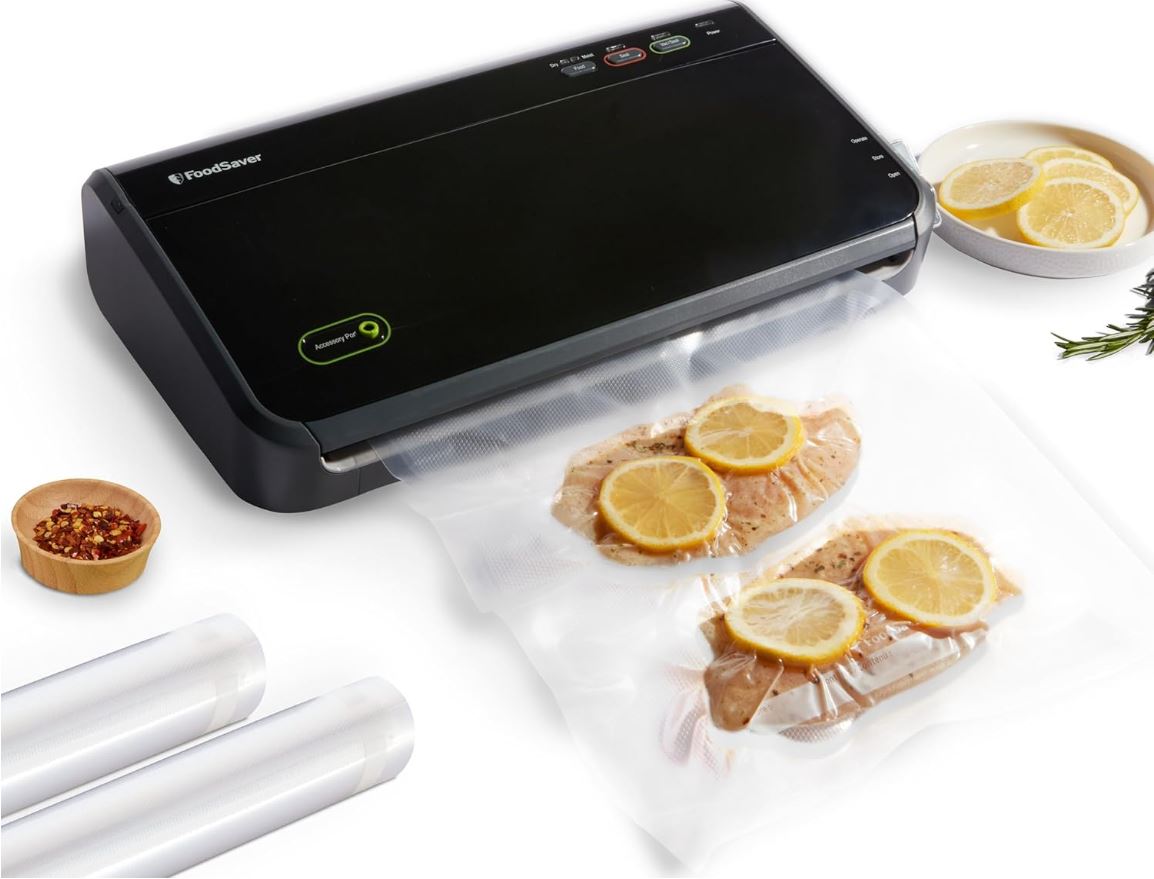
- Vacuum sealer: If you have a longer drive home, vacuum-sealing portions before the drive keeps fish fresh significantly longer. FoodSaver vacuum sealer Seal at your hotel the night before departure.
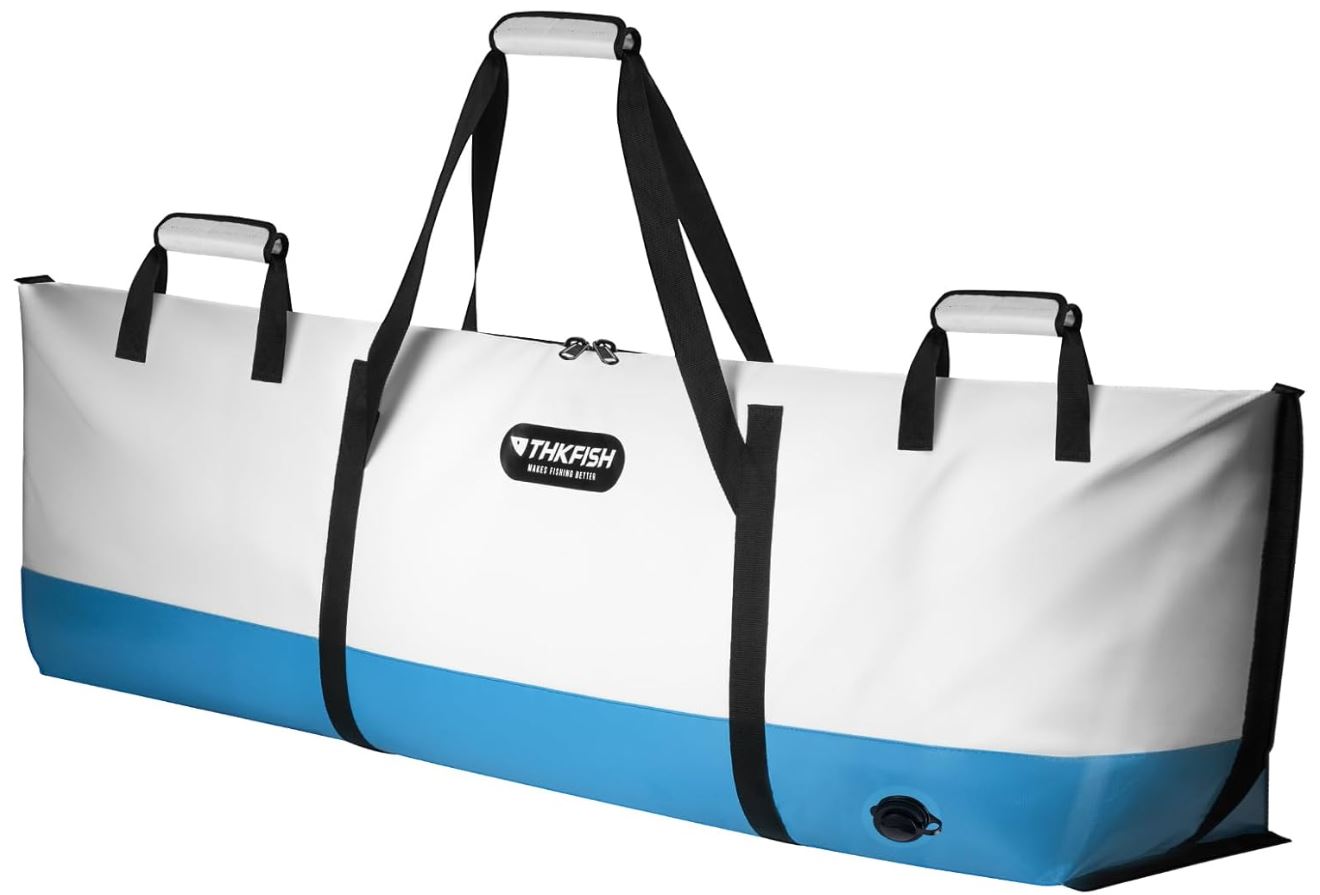
- Fish bags: Heavy-duty insulated fish bags for transport if you’re flying home. Engel heavy duty fish bag
Travel and Personal Gear
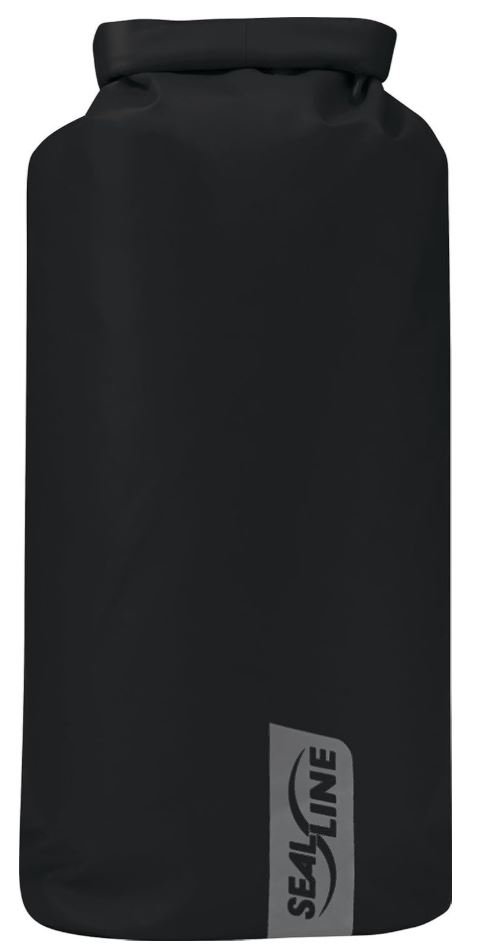
- Dry bag: For phone, wallet, and any electronics on the water. SealLine dry bag Even calm days produce spray.
- Ziplock bags: Multiple sizes for organizing tackle, keeping electronics dry, and storing snacks.
- Small soft-sided duffel: For overnight and multi-day trips — no hard luggage in bunks, which are narrow and storage is limited.
- Seasickness medication: If you have any history of motion sickness, take it the night before and morning of. Bonine (meclizine) is OTC and effective; prescription scopolamine patches are stronger. Do not wait until you feel sick.
- Water: At least 2 liters per person per day. Dehydration is the hidden enemy of offshore fishing — sun, wind, and physical exertion deplete you faster than you realize.
Recommended Gear
Affiliate links — as an Amazon Associate, bajafishingguide.com earns from qualifying purchases. No extra cost to you.
Panama Jack Sunscreen Lip Balm
Kalkal Deck Boots
Palmyth UV Fishing Gloves
Penn Squall II 30
Penn Spinfisher VII
Shimano Saragosa 5000
Shimano Talica 16
Penn International
Plano Rod Travel Case
Owner Mutu Light Circle
Owner SSW Hooks
Owner Live Bait Hooks
Seaguar Blue Label Fluorocarbon
American Fishing Wire 90lb Single Strand Stainless
Tady 45
Nomad DTX Minnow 200mm
Ilander Trolling Lure
Cedar Plugs
RM9 UV Series Wahoo and Tuna Lures (9-Inch)
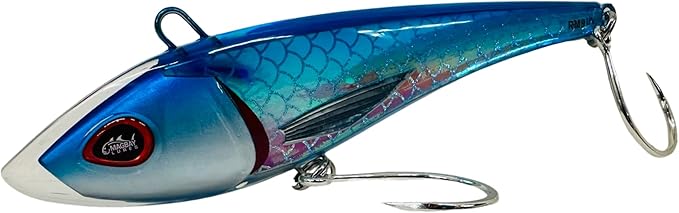
Mold Craft Wide Range
Yo-Zuri Hydro Popper
Shimano Orca Popper
KastKing Braid Scissors
Fishing Pliers with Holster
Rapala Fillet Knife
Black Diamond Headlamp
Columbia PFG Long Sleeve Sun Shirt
Palmyth Fishing Fleece
Grundens Waterproof Jacket
Sunscreen Breathable Mask Scarf
Rosoz Outdoor Sun Hat
Flottie Polarized Sunglasses
Sun Bum Reef-Safe SPF 50
RTIC 65 Cooler
FoodSaver Vacuum Sealer
Engel Heavy Duty Fish Bag
SealLine Dry Bag
Frequently Asked Questions
Do I need to bring my own gear to Baja?
Most charter boats provide basic rods, reels, and bait. But the gear quality varies widely — if you fish regularly, bringing your own outfit ensures you’re fishing with equipment you trust and sized appropriately for your target species.
Can I bring fishing gear through the border?
Yes — fishing rods, reels, tackle, and equipment can be brought into Mexico for personal use without duty. No permit is required for personal fishing gear.
What lures should I prioritize for a first Baja trip?
If you’re targeting southern Baja pelagics: a Nomad DTX Minnow in chartreuse/yellow, a cedar plug, and two or three poppers in the 100–150g range covers most situations. For northern Baja yellowtail: two Tady 45 jigs in blue/white and scrambled egg.
Do I need wire leader for all Baja fishing?
Only for wahoo — their teeth are razor sharp and will cut through any mono or fluorocarbon. For all other Baja species, fluorocarbon leader in the appropriate strength is standard.
What size reel do I need for dorado?
A 4000–5000 size spinning reel with a smooth drag and at least 200 yards of 30lb braid capacity is ideal for dorado. They run hard on the first strike — having enough line matters.
Is it worth buying tackle in Mexico or should I bring everything?
Bring everything critical — hooks, leader material, key lures. Tackle shops in Baja exist in most tourist areas but selection is limited and prices are high compared to buying before you go.
Plan Your Trip
- How to Plan a Baja Fishing Trip (Complete Guide)
- Baja Fishing Seasons Calendar
- Baja Fishing License Guide
- How to Choose a Baja Fishing Charter
- Driving to Baja: What You Need to Know
- Check Current Baja Conditions — fishing-reports.ai
Related Guides
- Baja California Fishing Guide
- Yellowtail Fishing in Baja
- Dorado Fishing in Baja
- Wahoo Fishing in Baja
- Roosterfish Fishing in Baja
- Tuna Fishing in Baja
- Marlin Fishing in Baja
- Halibut Fishing in Baja
- Ensenada Fishing Guide
- San Quintin Fishing Guide
- Loreto Fishing Guide
- La Paz Fishing Guide
- East Cape Fishing Guide
- Cabo San Lucas Fishing Guide
Affiliate Disclosure: As an Amazon Associate, bajafishingguide.com earns from qualifying purchases. Links to Amazon on this page are affiliate links — if you click and buy, we may earn a small commission at no extra cost to you.