
Yellowtail are the backbone of Baja sportfishing. From the Coronado Islands just south of San Diego to the offshore banks around Loreto, yellowtail are the species most anglers encounter first in Baja waters — and the one that keeps them coming back. Hard-fighting, unpredictable, and excellent on the table, yellowtail represent everything compelling about Pacific sportfishing. A school of yellows stacked on a kelp bed, eating yo-yo iron with abandon, is one of the great fishing experiences in the western hemisphere.
This guide covers where to find Baja yellowtail, when they show up, and how to catch them on both iron and live bait.
Where to Find Yellowtail in Baja
The Coronado Islands
The most productive and most accessible yellowtail fishery in Baja. The four rocky islands sit 18 miles south of San Diego, and the kelp beds along the eastern face of North Island hold yellowtail from April through October. Fish here commonly run 12–25 pounds, with fall fish (September–October) pushing 30+ pounds regularly. Day trips from San Diego landings put you on the water before 8 AM. See the full Coronado Islands guide →
Ensenada
The offshore kelp beds and banks around Ensenada produce consistent yellowtail from March through November. Spring and fall are peak periods. The fish here tend to run slightly smaller than Coronados yellows but are less pressured and often easier to catch. Local panga operators know the productive spots. See the full Ensenada guide →
San Quintin
The offshore banks near San Quintin hold yellowtail during spring and summer months. These fish see minimal fishing pressure compared to northern Baja and can be caught on techniques that would be ignored at the Coronados. See the full San Quintin guide →
Loreto
Unlike northern Baja yellowtail that disappear in winter, Loreto yellowtail are available year-round on the offshore banks surrounding the islands of the national marine park. Spring produces the largest concentrations, but productive fishing exists in every month. See the full Loreto guide →
Yellowtail Season in Baja
Yellowtail are available somewhere in Baja in every month of the year, but the peaks vary significantly by region:
| Region | Peak Season | Notes |
|---|---|---|
| Coronado Islands | April–June, September–October | Spring and fall peaks; summer consistent |
| Ensenada | March–May, September–November | Spring best; fall produces largest fish |
| San Quintin | April–July | Spring halibut overlap; yellows secondary |
| Loreto | Year-round, best February–May | Protected park waters; consistent all year |
Water temperature is the primary driver — yellowtail prefer 64–70°F. When water heats above 72°F in summer, northern Baja yellows often go deep or move to cooler areas. Fall is consistently the best time for large fish across all regions as water cools and fish feed aggressively before winter.
Check current SST conditions at fishing-reports.ai before your trip — the temperature maps show where 64–70°F water is currently sitting relative to the kelp beds.
Yellowtail Gear
Rods and Reels
Conventional yo-yo setup (primary): A 6–7 foot medium-heavy conventional rod rated for 20–40lb line. Look for a rod with a fast tip for sensitivity and a stiff butt section for lifting power. Pair with a lever-drag conventional reel with at least 300 yards of line capacity.
Penn Squall II 30 — reliable, affordable, smooth drag. A classic Baja yellowtail reel that has put thousands of fish on the rail.
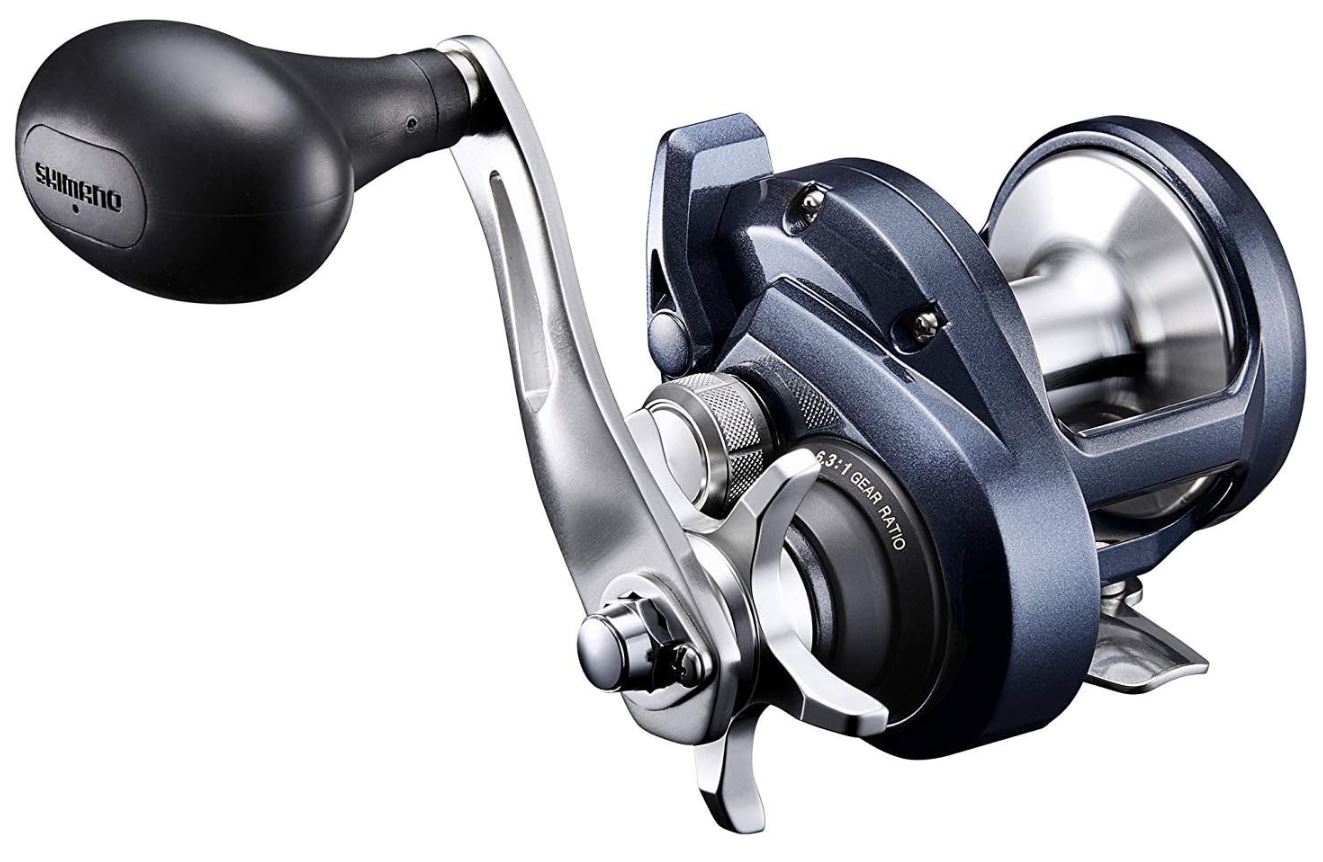
Shimano Torium 20 — higher-end option with silkier drag and better build quality. Worth the upgrade for anglers who fish frequently.
Spinning setup (surface iron and live bait): An 8-foot medium-heavy spinning rod with a 6000–8000 size reel provides distance for casting surface iron and live bait to breaking fish.
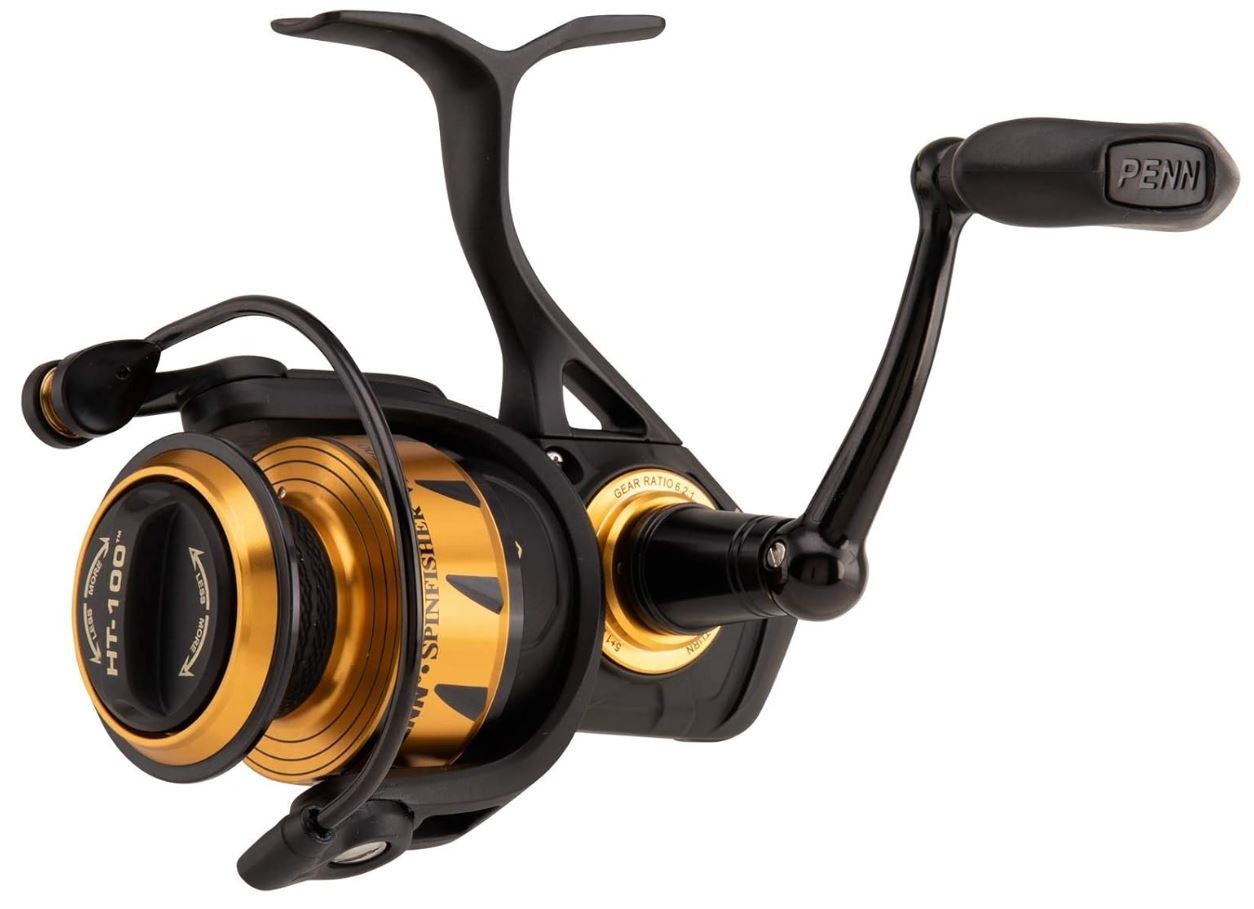
Penn Spinfisher VII 6500 — tough, sealed construction handles saltwater abuse well. Excellent drag for a mid-price reel.
Line
50lb braid is the standard on conventional yellowtail rigs — enough strength to handle the drag settings needed for kelp, with thin enough diameter to get jigs down fast. On spinning gear, 50–65lb braid provides good casting distance with the strength to stop fish from reaching structure.
Power Pro Spectra 50lb — the most-used braid among San Diego and Baja anglers. Available in hi-vis yellow for easy bite detection.
Leader Material
Fluorocarbon leader is essential — yellowtail are often leader-shy, particularly in clear water around the Coronados and in the Loreto marine park.
- 25–30lb fluorocarbon for most yellowtail conditions
- 20lb when fish are extremely finicky (clear water, calm conditions)
- 40lb for large fish or heavy kelp situations
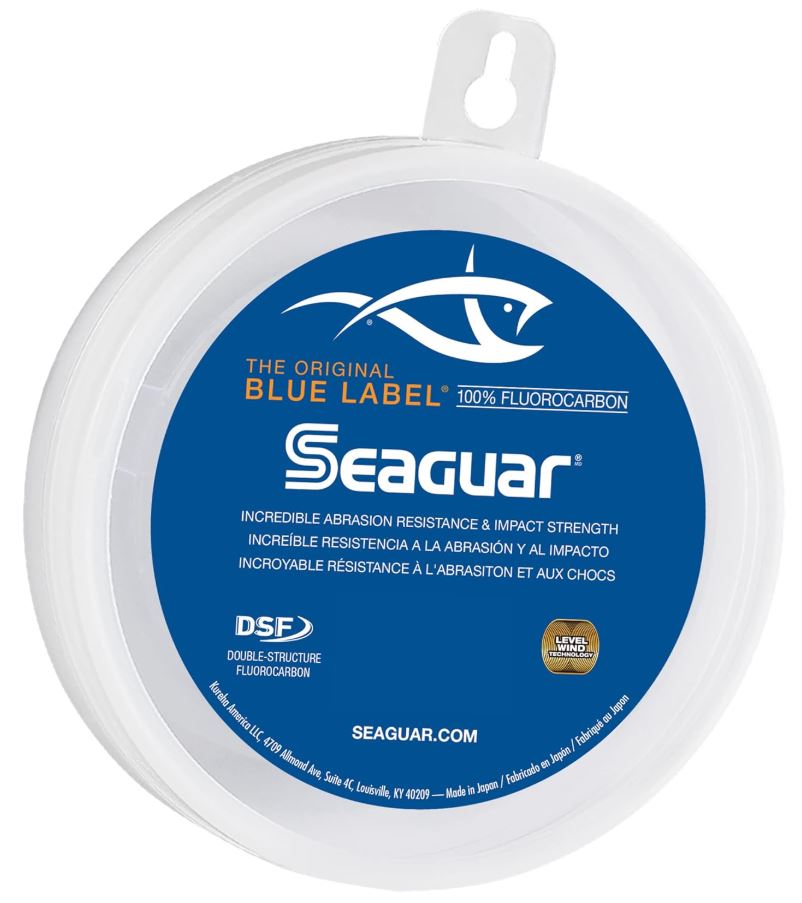
Seaguar Blue Label 30lb — the gold standard for yellowtail leaders. Supple, low-visibility, consistent breaking strength.
Yo-Yo Iron: The Classic Yellowtail Technique
The yo-yo jig is synonymous with Baja yellowtail fishing. The technique is simple: drop a heavy metal jig to the bottom, then reel up rapidly for 10–15 turns, let the jig fall on a semi-slack line, and repeat. The flashing action and erratic fall trigger strikes from yellowtail that have passed on everything else.
The Jigs That Work
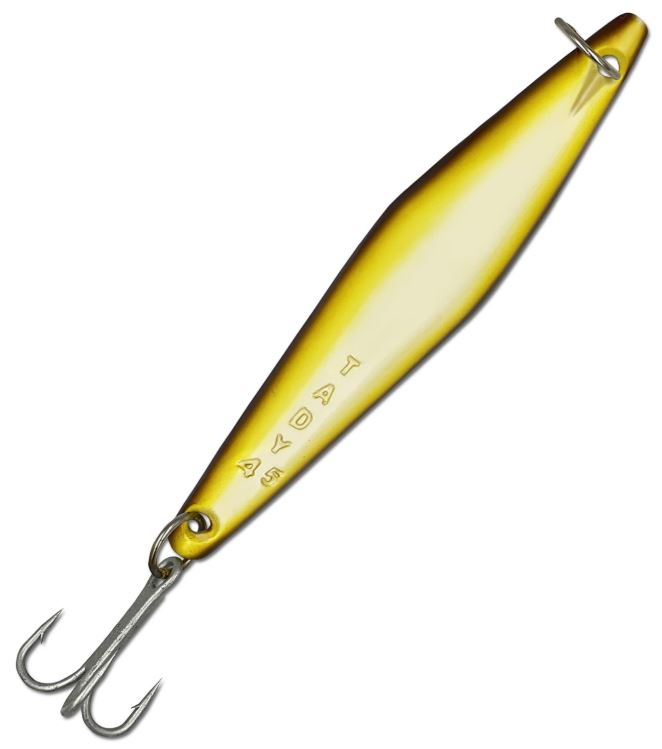
Tady 45 — the single most productive yellowtail jig in Baja history. Blue/white and scrambled egg are the go-to colors. Drop one of these at the Coronados and you’re in business.
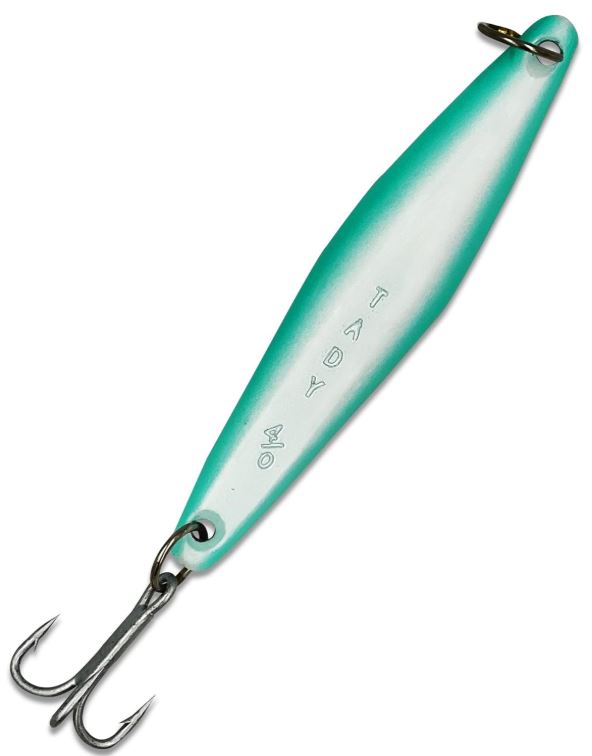
Tady 4/0 — heavier version for deeper water or when larger fish are the target. Chrome/blue produces consistently.
Salas 7X Light — a lighter alternative when fish are finicky. The slower fall rate sometimes triggers fish that won’t eat the heavier Tady. Available in multiple colors — green/yellow and blue/white are the Baja standards.
Salas 6X Jr — a compact jig that gets down fast in current and produces well on smaller fish. Good option when yellows are stacked in a specific depth range.
The Technique in Detail
- Drop the jig straight down with the reel in free spool or low gear, controlling the fall with your thumb
- When it hits bottom, engage the reel and crank as fast as you can for 10–15 turns — think “burning” the jig upward
- Stop reeling and let the jig flutter down on semi-slack line — most strikes happen on the fall
- If no strike, repeat the fast retrieve, then fall
- When a fish hits, set the hook hard and keep reeling — don’t give slack
The speed of the retrieve matters: in cold water or when fish are lethargic, slow down. In warm water or when fish are aggressive, reel as fast as possible. When you find the right speed, strikes will often come on multiple consecutive drops from the same school.
Live Bait: When Iron Doesn’t Work
There are days — particularly in clear, calm conditions with high sun — when yellowtail refuse the iron entirely. Live bait is the answer.
The Fly Line Rig
The simplest and most effective live bait rig: a circle hook tied directly to fluorocarbon leader with no weight, attached to a swivel at the end of your main line. Hook the bait through the nose or at the collar, cast it near the kelp edge, and let it swim freely.
Owner Mutu Light Circle Hooks 2/0–3/0 — the preferred hook for live bait fly lining. Circle hooks in this size handle yellowtail bait (sardines, mackerel) well and result in corner-of-the-mouth hookups that are easy to release.
The Slider Rig
For presenting live bait at a specific depth — particularly when fish are holding below the surface bite zone — a slider rig with an egg sinker allows the bait to swim at a controlled depth while the sinker slides freely on the main line above the swivel.
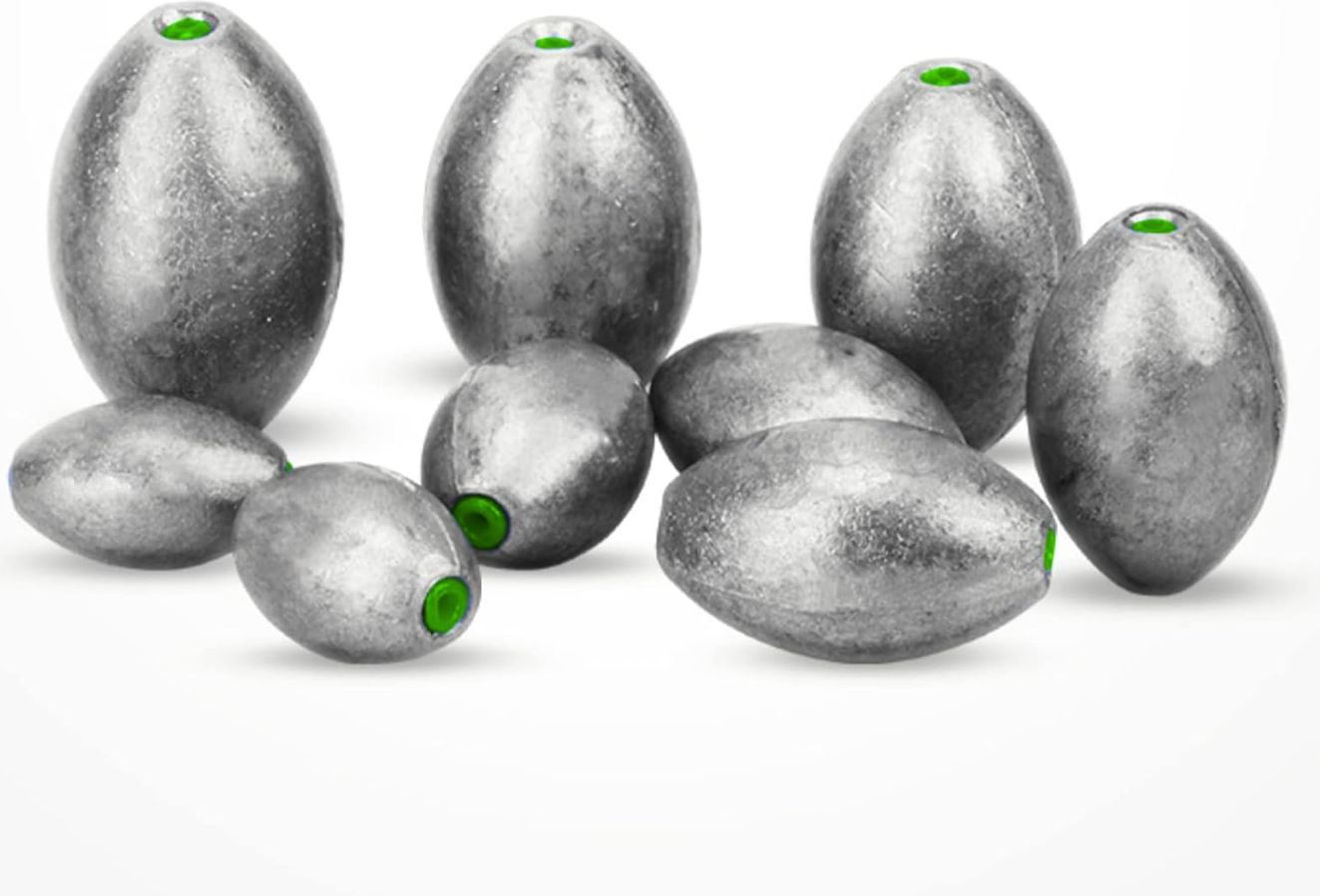
Egg sinkers 1–2oz — enough weight to get the bait down without impeding its swimming action.
Bait Selection
Live mackerel — the best yellowtail bait in Baja. Robust, stays lively, and the oils and movement drive yellowtail crazy. Harder to source than sardines but worth the effort.
Live sardines — more commonly available on charter boats. Smaller and more fragile than mackerel but highly effective. Keep them in cool, well-oxygenated water.
Recommended Gear
Affiliate links — as an Amazon Associate, bajafishingguide.com earns from qualifying purchases. No extra cost to you.
Penn Squall II 30
Shimano Torium 16
Penn Spinfisher VII
PowerPro Super Slick V2
Seaguar Blue Label Fluorocarbon
Tady 45
Tady 4/0
Owner Mutu Light Circle
Egg Sinkers Assorted
Frequently Asked Questions
What is the best jig for Baja yellowtail?
The Tady 45 in blue/white or scrambled egg is the most consistently productive yellowtail jig in Baja. The Salas 7X Light is a strong alternative when fish are finicky. Carry both.
What pound test for yellowtail?
50lb braid with 25–30lb fluorocarbon leader is the standard setup for most Baja yellowtail. Drop to 20lb fluoro leader in very clear water. Go heavier (40lb) when fishing near heavy kelp where you need to stop the fish quickly.
Do yellowtail school or are they solitary?
Yellowtail are schooling fish. When you find one, there are almost certainly more — keep fishing the same depth and location after a catch rather than moving immediately.
What time of day is best for Baja yellowtail?
Early morning is typically the best window — fish are most active from first light through about 10 AM. The bite often picks up again in late afternoon (4–6 PM). Midday slack periods are common but not universal.
Are Baja yellowtail good to eat?
Excellent. Yellowtail is one of the finest eating fish in the Pacific — firm, white flesh with moderate fat content. Works beautifully grilled, in tacos, as sashimi (particularly fresh), and smoked. Bleed the fish immediately after catch and keep it iced for the best table quality.
What is the bag limit for yellowtail in Baja?
The Mexican bag limit is 10 yellowtail per angler per day. See our Baja fishing regulations guide for full details.
Plan Your Trip
- Coronado Islands Fishing Guide
- Ensenada Fishing Guide
- Loreto Fishing Guide
- Baja Fishing Gear Guide
- Baja Fishing Seasons Calendar
- Check Current Fish Counts — fishing-reports.ai
Related Guides
- Dorado Fishing in Baja
- Tuna Fishing in Baja
- Halibut Fishing in Baja
- Baja California Fishing Guide
- Best Fishing Spots in Baja
- Baja Fishing Regulations
Affiliate Disclosure: As an Amazon Associate, bajafishingguide.com earns from qualifying purchases. Links to Amazon on this page are affiliate links — if you click and buy, we may earn a small commission at no extra cost to you.