Category: Trip-planning

trip-planning

  • How to Plan a Baja Fishing Trip (Complete Guide) | Baja Fishing Guide

    How to Plan a Baja Fishing Trip (Complete Guide) | Baja Fishing Guide

    Baja California is one of the greatest fishing destinations on the planet. The 1,000-mile peninsula stretching south from the US border delivers everything from yellowtail and halibut near Ensenada to roosterfish, dorado, wahoo, and marlin in the warm waters around Cabo and the East Cape. The fish are world-class, the charters are affordable by US standards, and most of the best spots are within a day’s drive from Southern California.

    But planning a Baja trip takes more preparation than booking a local day trip. Mexican fishing licenses, vehicle insurance, border crossings, panga vs. cruiser decisions — there’s a lot to sort out before you go. This guide walks you through it, step by step.

    Step 1: Choose Your Destination

    Baja’s fishing varies dramatically by region. The northern waters near Ensenada and the Coronado Islands fish like Southern California — yellowtail, halibut, lingcod, rockfish, same tackle and techniques that work out of San Diego. As you head south, the water warms and the species change. By the time you reach Loreto, La Paz, and Cabo you’re in tropical fishing territory: roosterfish, dorado, wahoo, billfish, and giant tuna.

    Quick breakdown of the main destinations:

    • Ensenada / Coronado Islands — Closest to the US border, easy day trip or overnight. Yellowtail, halibut, rockfish, tuna in season. Familiar water for SoCal anglers.
    • San Quintin — 5 hours south of the border, one of Baja’s best-kept secrets for halibut and white seabass. Low crowds, affordable pangas.
    • San Felipe — Upper Sea of Cortez. Hot, flat, shallow desert ocean. Walk-out flats, warm water, and a relaxed pace. Different kind of trip entirely.
    • Loreto — Mid-peninsula gem on the Sea of Cortez. World-class dorado, yellowtail, and roosterfish. Fly in or drive the Transpeninsular Highway.
    • La Paz — The Sea of Cortez at its finest. Roosterfish off the beaches, wahoo and dorado offshore, tuna and marlin beyond.
    • East Cape — Between La Paz and Cabo. Roosterfish, dorado, and wahoo in a less-crowded setting. Popular with fly anglers.
    • Cabo San Lucas — The most developed, most expensive, highest-volume destination. Marlin, sailfish, wahoo, dorado, tuna.

    Your first decision is northern Baja (drive-able, familiar species) vs. southern Baja (fly or long drive, exotic species, warmer water). Most SoCal anglers start with Ensenada or the Coronados and work their way south over multiple trips. That’s the path I’d recommend.

    Step 2: Pick Your Season

    Baja fishes year-round, but the best action varies by region and target species. The general rule: water temperature drives everything. Warm water (June–October) pushes pelagics north and brings dorado, wahoo, and tuna into range. Cooler water (November–April) slows the warm-water species but produces excellent halibut, yellowtail, and bottom fishing in the north.

    • Spring (March–May): Excellent yellowtail and halibut in the north. Slower warm-water action in the south but uncrowded and affordable.
    • Summer (June–August): Peak season. Dorado everywhere, tuna offshore, wahoo picking up. Cabo busy and pricey. Best overall time for first-timers.
    • Fall (September–October): The sweet spot. Water warmest, pelagics stacked, crowds thinning. Arguably the best fishing of the year, especially for dorado and wahoo.
    • Winter (November–February): Quieter and cheaper. Northern Baja fishes well for halibut and bottom species. South slows for warm-water fish but Cabo marlin fishing can be excellent.

    Detailed month-by-month breakdown: Baja fishing seasons calendar.

    Step 3: Get Your Mexican Fishing License

    A Mexican fishing license is required for anyone fishing in Mexican waters, including aboard a charter boat. This isn’t negotiable — fishing without one risks fines and gear confiscation. Getting one is easy and affordable.

    Licenses are issued by CONAPESCA (Mexico’s fisheries authority) and can be purchased online at conapesca.gob.mx or through services like Mexico Fishing Permits. Rates (approximate 2026):

    • 1 day: ~$16 USD
    • 1 week: ~$32 USD
    • 1 month: ~$49 USD
    • 1 year: ~$55 USD

    Buy your license before you leave home. Print a copy and keep a digital backup on your phone. Many charters include the license in their price — always confirm before booking.

    Step 4: Book Your Charter

    Two main charter options in Baja: pangas and cruisers.

    Pangas are open fiberglass boats, typically 22–26 feet, run by local Mexican fishermen (pangeros) who know the water intimately. $150–$300/day for 2–3 anglers. Highly maneuverable, ideal for inshore fishing — roosterfish on the beach, halibut on the flats, yellowtail around structure. The experience is raw and authentic. No bathroom, no cabin, no cushions. Just fishing. Most of my Ensenada tuna days have been from local pangas and the intimacy of fishing from a working fisherman’s boat is part of the appeal.

    Cruisers are larger sportfishing boats (28–48+ feet) with cabins, bathrooms, live wells, fighting chairs, and full tackle. They run offshore for tuna, wahoo, dorado, and billfish. $400–$1,200/day depending on size and location. The right tool for offshore species and multi-day trips.

    Booking tips:

    • Book 2–4 weeks ahead in summer and fall peak season, especially in Cabo
    • Ask what’s included: bait, tackle, fishing license, fish cleaning, ice
    • Confirm the captain speaks English if that matters to you
    • Check recent reports before booking — fish move, and a good operator will be honest about what’s biting
    • Tip captain and deckhands 15–20% — they work hard for it

    More detail: How to choose a Baja fishing charter.

    Step 5: Sort Out Your Gear

    What you bring depends on destination and target species. A general packing outline:

    Rods and Reels

    Northern Baja (yellowtail, halibut): your SoCal setup works — medium-heavy conventional with 30–40 lb braid and fluorocarbon leader. Southern Baja pelagics: heavier gear. 50–80 lb conventional for wahoo and dorado, lighter spinning for roosterfish and casting.

    Terminal Tackle

    Pack more than you think you need. Lure selection:

    • Dorado: Nomad DTX Minnow, feathers, cedar plugs for trolling; poppers and stickbaits for casting at paddies
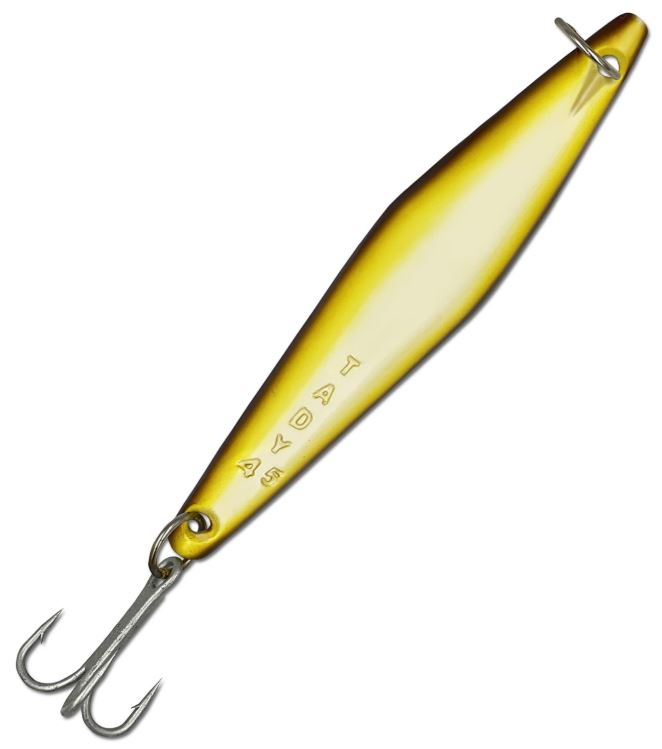
    • Yellowtail: Tady 45 in blue/white and scrambled egg, Salas 7X Light as backup
    • Wahoo: Iland Lure flashers, wire leader (80–100 lb)
    • Roosterfish: Large poppers (180–200mm) and live bait rigs with circle hooks

    Sun Protection

    UPF 50 long-sleeve shirt, wide-brim hat, polarized sunglasses, reef-safe SPF 50 sunscreen. Non-negotiable. The Baja sun is brutal.

    Cooler and Fish Storage

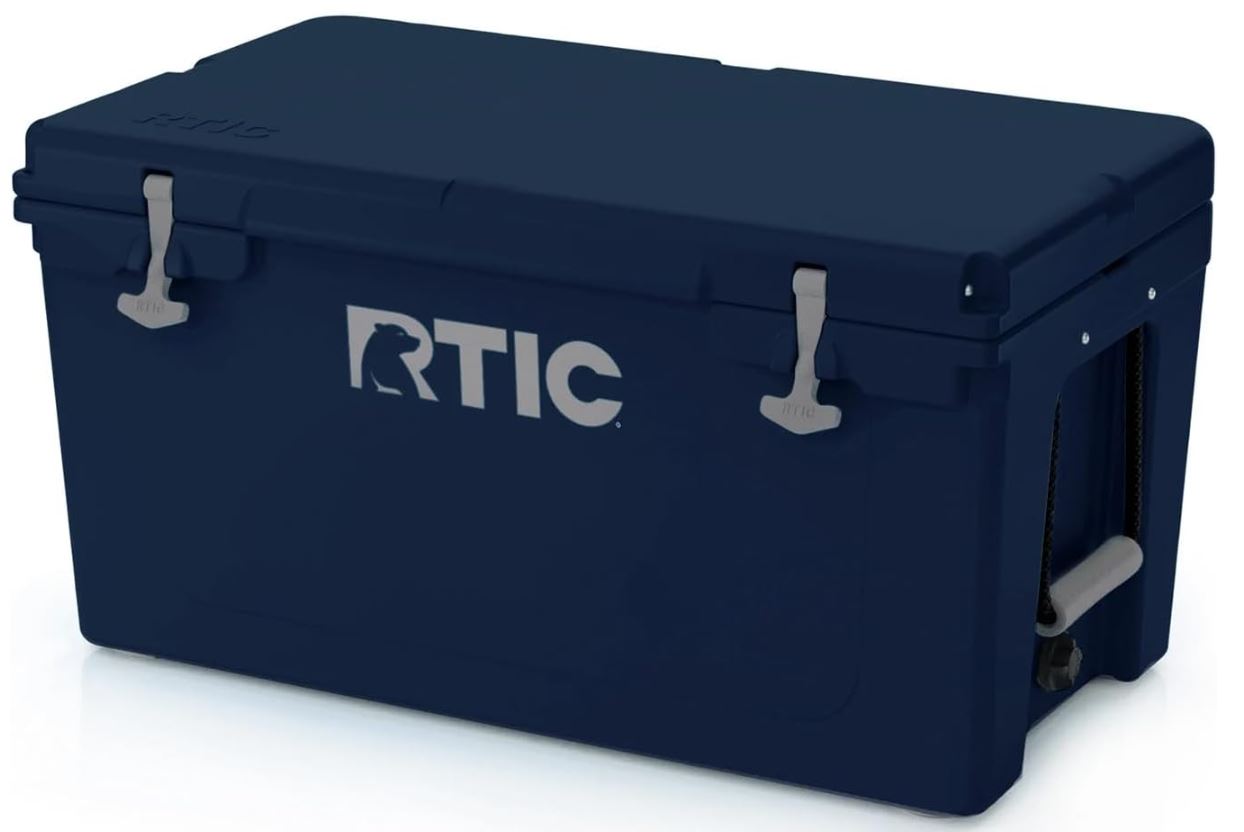
    If you’re bringing fish home, a quality rotomolded cooler (YETI, RTIC, or equivalent) is worth the investment. 65–105 quart handles a serious day’s catch. Pack it with ice from a local tienda — ice is cheap and available everywhere in Baja.

    Full gear breakdown: Baja fishing gear guide.

    Step 6: Plan Your Drive (If Driving)

    Driving to Baja is one of the great road trips in North America and the most common way SoCal anglers access northern and mid-Baja destinations. A few things to sort out before you cross:

    Mexican Auto Insurance

    Mandatory. Your US auto insurance does not cover you in Mexico, and driving without Mexican coverage is illegal. Buy a policy before you leave — online options like Discover Baja or AAA’s Mexico coverage are easy and affordable (typically $25–$50/day for full coverage). Don’t skip this.

    Tourist Card (FMM)

    Going beyond the free zone (roughly 30 km from the border in most of Baja) requires a tourist card (Forma Migratoria Múltiple). Get one at the border or online. About $30 USD. For quick trips to Ensenada or the Coronado Islands from San Diego boats you typically don’t need one — but for driving south you do.

    Cash and Cards

    Carry US dollars and some Mexican pesos. Most charter operators, hotels, and restaurants accept US dollars, but pesos get you better exchange rates at markets and smaller places. ATMs are available in larger towns. Avoid exchanging money at the border — rates are poor.

    Fuel

    Pemex stations are the only gas stations in Mexico. Common on the Transpeninsular Highway (MEX 1) but can be spaced far apart in remote areas. Don’t let your tank drop below half on long stretches. Fuel is generally cheaper than in the US.

    Step 7: Where to Stay

    Accommodation options vary widely by destination:

    • Ensenada: Full range from budget motels to nice hotels. Many anglers stay in San Diego and do day trips to Ensenada-based or Coronado charters.
    • San Quintin: Basic fishing camps and small hotels. Old Mill Hotel and Rancho Cielito are popular with anglers.
    • Loreto: Small, charming town with good hotels. The Loreto Bay area has newer resorts.
    • La Paz: Most complete city on the peninsula south of Ensenada. Good hotels, excellent restaurants, full services.
    • East Cape: Remote fishing camps and small boutique hotels. Van Wormer Resorts operates several properties.
    • Cabo San Lucas: Full resort infrastructure — budget to ultra-luxury. Book well ahead in peak season.

    Frequently Asked Questions

    Do I need a passport to fish in Baja?

    Yes. A valid US passport (or passport card) is required to re-enter the United States from Mexico. Make sure yours is valid for at least six months beyond your travel dates.

    Is Baja safe for fishing trips?

    Popular destinations — Ensenada, Loreto, La Paz, Los Cabos — are considered safe for tourists and visited by hundreds of thousands of Americans annually. Stick to established areas, use reputable charter services, and check the US State Department’s travel advisories before your trip.

    Can I bring my catch back to the US?

    Yes, within limits. US Customs allows 30 pounds of fish per person plus one whole fish. Fish must be in a clearly identifiable form (not filleted beyond recognition). Declare all fish at customs — straightforward process and agents are familiar with it.

    Do charter boats provide tackle?

    Most do, but quality varies. Bringing your own gear ensures you’re fishing with equipment you trust. At minimum, bring your own hooks, leader material, and specialty lures — the boat’s tackle shop will charge premium prices.

    What’s the best month to fish Baja for the first time?

    September and October are widely considered the best all-around months — warm water, pelagics still active, crowds thinning from summer peak, prices starting to drop. For yellowtail specifically, spring (March–May) can be exceptional in northern Baja.

    What species can I target in Baja?

    One of the most diverse fishing lineups anywhere — yellowtail, halibut, dorado, wahoo, roosterfish, tuna (yellowfin, bluefin, bigeye), marlin (striped, blue, black), sailfish, pargo, cabrilla, and more depending on season and location.

    How much does a Baja fishing charter cost?

    Panga charters $150–$300/day for 2–3 anglers inshore. Cruisers for offshore $400–$1,200+/day depending on boat size, location, and season. Cabo is the most expensive market; San Quintin and Loreto are significantly more affordable.


    Plan Your Trip

    Related Guides


    About the Author

    By Kenny — SoCal saltwater angler and private boater since the 1997 El Niño. I’ve made the drive, booked the pangas, crossed the border, and put together enough Baja trips to know what’s worth the hassle and what isn’t.

  • Baja Fishing Reports: Where to Find Current Conditions

    The difference between a great Baja fishing trip and a slow one often comes down to timing — not the broad seasonal timing covered in a season calendar, but the specific, current-week conditions that determine whether fish are actively feeding, where the temperature breaks are sitting, and what techniques the boats are actually using right now. A good fishing report tells you all of this and more. A bad one — or worse, no report at all — sends you out on assumptions that may have been accurate three weeks ago but aren’t today.

    This guide covers the best sources for current Baja fishing intelligence, from real-time satellite data and daily fish counts to community forums and landing reports, so you can make informed decisions before you go and know what to expect when you get there.

    Real-Time Ocean Data: SST and Chlorophyll Maps

    Before any written report, the ocean data tells the underlying story. Sea surface temperature (SST) and chlorophyll (bait/productivity) maps show you where the warm water is, where the temperature breaks are forming, and where the productive bait concentrations lie — the fundamental conditions that drive fish behavior.

    fishing-reports.ai (disclosure: my own site) — free daily SST and chlorophyll maps covering SoCal and Baja waters with 14-day animated playback. The temperature maps show where 64–70°F water is sitting for yellowtail, where 76°F+ water is pushing north for dorado, and where the break lines are forming. Updated daily from NOAA satellite data.

    How to use it:

    • Look for sharp color transitions (temperature breaks) in the SST maps — these concentrate baitfish and attract gamefish
    • Check the chlorophyll map for green areas indicating productive water with active bait
    • Use the 14-day playback to see how conditions are trending — a warming trend typically improves pelagic fishing; a cold-water intrusion can shut down yellowtail
    • Compare current conditions against species temperature guides to know which target species are in their preferred range

    Alternative SST sources that don’t require my site: Rip Charts (paid service, very detailed for SoCal), the NOAA CoastWatch direct data portal (free but technical), and Saildrone ocean data for some offshore areas. Different interfaces, same underlying NOAA satellite source.

    Daily Fish Counts: What the Boats Are Actually Catching

    fishing-reports.ai Fish Counts (disclosure: my own site) — daily catch data from San Diego landing boats fishing the Coronados, Ensenada area, and offshore banks. Updated from the landing reports, showing species, numbers, and anglers per trip. If you want to know whether the Coronados are producing yellowtail this week before booking a charter, this is one way to find out fast.

    Landing websites — San Diego (the primary sources):

    • H&M Landing (hmlanding.com) — posts daily catch reports from their fleet. One of the most reliable and detailed landing reports in San Diego.
    • Fisherman’s Landing (fishermanslanding.com) — daily reports and current trip availability.
    • Point Loma Sportfishing (pointlomasportfishing.com) — current reports and recent catches posted regularly.
    • Seaforth Sportfishing (seaforthboatrentals.com) — trip reports updated after each departure.

    These landing reports are the most reliable source of current fishing intelligence for the Coronado Islands and northern Baja waters. They’re written by the people who were just there. My site aggregates and visualizes their data, but you can go straight to the source anytime.

    Community Forums: Depth and Detail

    For fishing intelligence beyond the landing reports — specific GPS marks, current techniques, and the kind of granular detail that only comes from anglers who fish regularly — the online fishing community is invaluable.

    BD Outdoors (bdoutdoors.com) — the largest and most active Southern California and Baja fishing community online. The Coronado Islands, Baja, and Mexico forums contain trip reports from anglers who were fishing specific destinations within the last week. Filter by date and location to find current intelligence. The community is generous with information and the report quality is generally high.

    The Hull Truth (thehulltruth.com) — another active forum with good coverage of Baja destinations, particularly for offshore species. The Baja and Mexico sections have regular trip reports from La Paz, Cabo, and East Cape.

    Mexico Mike’s (mexicomike.com) — Baja-specific fishing intelligence with current reports, charter recommendations, and destination guides. Particularly useful for destinations in the mid and southern peninsula that get less coverage on the northern California-focused forums.

    Baja Bytes (bajabytes.com) — another Baja-specific resource with fishing reports and current conditions from throughout the peninsula.

    Social Media: Real-Time Visual Evidence

    Instagram and YouTube have become valuable fishing report sources because they provide visual confirmation of catches that text reports can’t:

    • Search Instagram for hashtags specific to your destination: #ensenadadafishing, #loreto, #lapazfishing, #eastcapebaja, #cabofish
    • Local charter captains and fishing resorts post catch photos regularly — following specific operators gives you ongoing current intelligence
    • YouTube search for “baja fishing [current month year]” produces recent trip video reports that show exactly what’s happening

    Social media reports lack the depth of forum trip reports but provide visual confirmation of species, sizes, and conditions that are genuinely useful.

    Charter Captain Intelligence

    The single most current and reliable fishing report available for any Baja destination is a phone call or WhatsApp message to a captain who fished there yesterday. This sounds obvious but many anglers don’t think to ask before booking.

    A good captain who values repeat business will give you an honest assessment of current conditions. Ask specifically:

    • “What have you been catching this week?”
    • “Where are the fish holding right now?”
    • “What techniques are working?”
    • “Is it worth booking for [your target species] this week?”

    A captain who oversells current conditions to secure a booking will eventually lose that customer. Most experienced Baja guides prefer honest communication over a single trip sale.

    Local Landing and Marina Reports

    Beyond San Diego, destination-specific fishing intelligence comes from the local charter infrastructure:

    Loreto: Arturo’s Sport Fishing and other Loreto operators post Facebook updates on current catches. The Loreto fishing community on Facebook groups is active and provides good current intelligence.

    La Paz: Several La Paz charter operators maintain Instagram and Facebook pages with regular catch updates. The Marina de La Paz has informal reporting through its operators.

    East Cape: The Van Wormer Resorts properties post regular fishing reports on their websites and social media. Hotel Palmas de Cortez and Rancho Leonero both maintain fishing log archives that are useful for historical comparison.

    Cabo: Pisces Sportfishing (piscessportfishing.com) posts exceptionally detailed weekly fishing reports covering all Cabo-area species. One of the most comprehensive fishing report sources in Baja.

    How to Interpret a Fishing Report

    Not all fishing reports are equally useful. A few things to consider:

    • Date matters above all: A report from three weeks ago may be completely irrelevant to current conditions, particularly for fast-moving pelagic species. Prioritize reports from the last 5–7 days.
    • Trip type matters: A 3-day long-range report covers very different water than a day trip to the Coronados. Make sure the trip type is comparable to what you’re planning.
    • Numbers vs. quality: “20 yellowtail” on a 20-angler boat is one fish per person — decent but not exceptional. Context matters.
    • Technique detail: Reports that specify what worked (live bait, iron, specific jig colors, depth) are more actionable than reports that just list species and numbers.
    • Landing reports vs. angler reports: Landing reports are conservative by nature — they report verified catches. Forum trip reports from individual anglers can be more enthusiastic but may also be more granular and honest about what didn’t work.

    Putting It All Together Before Your Trip

    A simple pre-trip research routine:

    1. Check SST maps (fishing-reports.ai or Rip Charts) to understand current ocean conditions
    2. Review fish counts at your target destination for the past 2 weeks
    3. Read the last 5–10 forum trip reports at your destination on BD Outdoors
    4. Check the social media feeds of 2–3 charter operators at your destination
    5. Message your captain on WhatsApp for a current verbal assessment

    This 30-minute research session before any Baja fishing trip significantly improves your odds of being in the right place with the right approach for current conditions.

    Frequently Asked Questions

    Where’s the best source for current Baja fishing reports?

    For the Coronados and northern Baja: landing websites (H&M, Fisherman’s, Point Loma) plus any daily fish-count aggregator you prefer. For southern Baja destinations: Pisces Sportfishing weekly reports (Cabo), resort websites (East Cape), and the BD Outdoors Mexico forum. Use multiple sources — no single report source is complete.

    How current do Baja fishing reports need to be?

    For pelagic species (dorado, wahoo, tuna) that move with water temperature: reports should be within 5–7 days at most. For more sedentary species (halibut, rockfish, yellowtail around structure): reports 2–3 weeks old are still reasonably relevant. The more mobile the target species, the more recent the report needs to be.

    Are fishing reports accurate or do people exaggerate?

    Forum reports from named anglers with post history tend to be honest — the fishing community values accuracy and exaggerated reports get called out. Anonymous or single-post reports are less reliable. Landing reports are conservative and accurate by default. Charter operator social media can be promotional — focus on the specific numbers rather than the enthusiasm.

    Do any apps provide real-time Baja fishing reports?

    Fishbrain and Anglr aggregate user-submitted catches with location data. Neither has comprehensive Baja coverage, but data points from recent catches in specific areas can be useful. The most reliable free ocean data remains direct NOAA satellite sources, which several websites (including mine) package into angler-friendly interfaces.

    How do I find fishing reports for remote Baja destinations like San Quintin?

    San Quintin has minimal online reporting infrastructure — it’s part of what makes it uncrowded. The Old Mill Hotel occasionally posts Facebook updates. BD Outdoors has periodic San Quintin trip reports from US anglers who’ve visited recently. The most reliable intelligence for remote destinations is a direct call to the hotel where you’re staying and asking what’s been happening with the fishing.


    Plan Your Trip

    Related Guides


    About the Author

    By Kenny — SoCal saltwater angler since the 1997 El Niño. Upfront disclosure: I’m the owner and developer of fishing-reports.ai, one of the resources discussed in this article. I built it specifically for the pre-trip research use case described below because nothing existed that packaged daily SoCal/Baja SST maps, chlorophyll, and fish counts together for free. I’m obviously biased, but the data on that site is free, sourced from NOAA and public landing reports, and independently verifiable against the other sources listed here. Use all of them together and triangulate.

  • Best Baja Fishing Charters: How to Choose the Right One

    Best Baja Fishing Charters: How to Choose the Right One

    The charter you book is the most consequential decision you’ll make for a Baja fishing trip. The right captain puts you on fish, runs the boat safely, communicates clearly, and makes the entire experience better. The wrong one — and there are plenty — costs you a full day of fishing time, produces minimal action, and leaves you wondering what went wrong. With charter options ranging from $150 panga trips to $1,500 luxury cruiser outings, understanding how to evaluate operators, what questions to ask, and what red flags to avoid is worth more than any particular destination guide.

    This guide covers the full picture: charter types, what’s typically included, how to book, and how to avoid the mistakes that turn good trips into frustrating ones.

    Panga vs. Cruiser: The Fundamental Choice

    Every Baja fishing trip starts with this decision, and getting it right determines everything that follows.

    Pangas

    Open fiberglass boats in the 22–28 foot range, typically powered by a 75–200 hp outboard. The backbone of Baja fishing for generations — and still the best option for a wide range of situations. My most authentic Baja fishing days have been on local pangas out of Ensenada. There’s something about fishing from a working fisherman’s boat with a captain who has fished the same water his whole life that a polished sportfisher can’t replicate.

    What pangas are good for:

    • Inshore and nearshore fishing — roosterfish, halibut, yellowtail around structure, snapper
    • Maneuvering close to rocky shorelines and shallow beaches that larger boats can’t access
    • Specific coves or points at precise angles that require a smaller, more responsive boat
    • Budget-conscious fishing — pangas deliver excellent fishing at the lowest possible cost
    • Authentic Baja experience with local captains who know the water intimately

    Panga limitations:

    • No cabin, bathroom, shade, or storage beyond a basic cooler
    • Limited range — typically 20–30 miles offshore maximum
    • Weather-dependent — uncomfortable and potentially unsafe in moderate to heavy seas
    • Not appropriate for targeting marlin, large bluefin tuna, or other offshore species requiring extended runs

    Typical cost: $150–$350/day for 2–3 anglers including bait, depending on destination. San Quintin and Loreto on the lower end; La Paz and East Cape on the higher end.

    Super Pangas

    An intermediate option — larger pangas (28–32 feet) with partial cabin cover, more powerful engines, larger live wells, and more comfortable seating. They offer more capability than standard pangas while remaining significantly less expensive than full cruisers. Good compromise for anglers who want slightly more comfort and range than a standard panga provides.

    Typical cost: $300–$500/day.

    Cruisers

    Full-sized sportfishing vessels in the 28–60+ foot range with enclosed cabins, bathrooms, fighting chairs, outriggers, live wells, and full electronics. The appropriate choice for offshore fishing — tuna, wahoo, dorado, and billfish that require extended runs.

    What cruisers are good for:

    • Offshore species requiring 20–60+ miles of running: marlin, sailfish, wahoo, offshore tuna
    • Overnight or multi-day trips
    • Anglers who want comfort, shade, a bathroom, and fighting chairs
    • Larger groups (3–6 anglers comfortably)

    Typical cost: $500–$1,500+/day depending on boat size and destination. Cabo is the most expensive market; Loreto and La Paz are significantly more affordable for comparable boats.

    What Should Be Included

    Before booking any charter, confirm exactly what’s included in the quoted price. The list varies significantly between operators:

    Usually Included

    • Captain and deckhands
    • Fuel
    • Live bait or frozen bait
    • Basic tackle (rods, reels, hooks, leader)
    • Ice

    Sometimes Included

    • Mexican fishing license for all anglers
    • Lunch and beverages
    • Fish cleaning and packaging
    • Safety equipment (life jackets, flares)

    Rarely Included

    • Fish filleting and vacuum sealing
    • Hotel or airport transfers
    • Specialty tackle (specific jigs, lures)
    • Fish taxidermy or shipping

    Ask specifically: “Does the price include the fishing license for all anglers?” and “Is fish cleaning included?” These are the two items most likely to create surprise costs if not clarified upfront.

    A related warning, especially for fly-in destinations like Cabo: if the charter offers fish-packaging and shipping services to get a trophy fish home, get a full written quote before you book the trip, not after you catch the fish. This is an area where traveling anglers can get taken advantage of pretty easily. Sometimes the honest answer is just to give a big fish to the crew or the locals.

    How to Find a Good Charter

    Through Your Accommodation

    Fishing resorts (Van Wormer properties on the East Cape, Villa del Palmar in Loreto) operate their own fleets and can arrange fishing as part of your stay. The advantage is accountability — a resort’s reputation is tied to the fishing experience it provides. This is the most reliable approach in remote destinations where you can’t easily evaluate multiple operators.

    Online Fishing Forums

    The fishing community maintains detailed, current records of charter quality through active forums. For Baja specifically:

    • BD Outdoors (bdoutdoors.com) — the most active Southern California and Baja fishing community online. Recent trip reports from your target destination will include specific captain and charter recommendations.
    • The Hull Truth — active offshore fishing forum with good Baja coverage.
    • Mexico Mike’s — Baja-specific fishing intelligence with charter recommendations.

    Filter for trip reports from the last 60–90 days at your target destination. Captains mentioned positively in multiple recent reports are reliable choices.

    Online Booking Platforms

    Charter aggregator platforms now operate in Baja markets. Read reviews carefully — prioritize recency (last 6 months) and look for reviewers who describe specific fishing experiences rather than generic positive comments.

    Walk-Up at the Marina

    At most Baja destinations, you can arrange charters by walking the marina dock and talking to captains. Works best in the off-season or at smaller destinations. In peak season at busy markets like Cabo, the best boats book up in advance and walk-up availability is limited to lower-quality operators.

    Red Flags: How to Identify a Bad Charter

    • No license documentation: If a charter operator can’t produce a valid Mexican fishing license for each angler, walk away.
    • Vague guarantees: “We guarantee fish” is a marketing phrase, not a promise. No ethical captain guarantees catches — fish are wild animals.
    • Cash-only with no receipt: Legitimate operators provide receipts. Cash-only arrangements without documentation make disputes impossible to resolve.
    • Very old or poorly maintained equipment: Safety gear (life jackets, flares, radio) and engine condition matter. If the boat looks neglected, the captain’s commitment to your safety probably matches.
    • Pressure to upgrade: Some operators quote a low price and then pressure you to add expensive upgrades at the dock. Get total pricing including all add-ons in writing before departure.
    • No recent reviews: A legitimate operator at any popular Baja destination should have verifiable recent reviews. An absence of reviews is a significant warning sign.

    Communication with Your Captain

    Most established Baja charter captains catering to US anglers speak functional English. At smaller operations in towns like San Quintin, communication may be more limited. A few words of Spanish go a long way — “dónde están los peces?” (where are the fish?) and “qué profundidad?” (what depth?) cover most on-water communication needs.

    WhatsApp is the universal communication platform for Baja charter captains — have your captain’s number saved and communicate through WhatsApp for questions about departure times, conditions, and trip details.

    How Much to Tip Your Captain and Crew

    Tipping in Baja fishing is expected and meaningful. The standard is 15–20% of the charter price, split between captain and deckhand(s):

    • On a $300 panga charter: $45–$60 total tip
    • On a $700 cruiser: $105–$140 total tip
    • On a $1,200 charter: $180–$240 total tip

    Tip in cash (pesos or USD are both accepted). Hand it directly to the captain and deckhand separately if possible. An exceptional trip — outstanding fishing, great service, went beyond expectations — warrants 20–25%. These guys work hard. A good tip matters more to them than the same dollar amount matters to you.

    Day Trips vs. Multi-Day Charters

    Most Baja fishing is done on day trips — 6–10 hours on the water, returning to port in the evening. Multi-day live-aboard charters exist primarily from San Diego (the long-range fleet) and at a few Baja operations targeting very specific offshore species. For most Baja fishing trips, consecutive day trips from a shore base are the practical approach.

    Frequently Asked Questions

    How far in advance should I book a Baja fishing charter?

    Peak season (June–October in the south, April–June in the north) at popular destinations: 2–4 weeks minimum. Cabo in peak marlin season (November–February): 4–6 weeks. Off-season at smaller destinations: same-week booking is often possible.

    Is it better to book through a hotel or independently?

    Through the hotel is simpler and provides accountability — particularly at fishing resorts where the fleet is operated in-house. Independent booking through forum recommendations can produce better captains at better prices but requires more research. Both approaches work well; the hotel route is more reliable for first-time visitors to a destination.

    Can I bring my own tackle on a charter?

    Almost always yes. Bring your own if you’re particular about gear quality — charter tackle is functional but variable. Your personal rods, reels, and terminal tackle perform better than unfamiliar gear from an equipment locker.

    What happens if conditions are bad?

    Most reputable captains will advise if conditions are too rough for the planned trip and offer to reschedule. Some operators have weather policies that govern cancellations and refunds — ask about this when booking. In genuinely dangerous conditions, no legitimate captain will depart.

    Should I book a private charter or a shared (open party) trip?

    Private charters provide control over destination, species focus, and departure time. Open party trips (where you share the boat with other anglers) are less expensive but less flexible. Most Baja fishing — particularly panga fishing — is private charter by default. Open party options exist primarily from San Diego landings running to the Coronados.


    Plan Your Trip

    Related Guides


    About the Author

    By Kenny — SoCal saltwater angler and private boater since the 1997 El Niño. I’ve booked Ensenada pangas for summer yellowfin, Cabo sportfishers for marlin and tuna, and most of the San Diego landings running to the Coronados. Charter quality varies more than most people realize. Here’s what I’ve learned.

  • Driving to Baja to Fish: Everything You Need to Know

    Driving to Baja to Fish: Everything You Need to Know

    Driving to Baja is one of the great road trip experiences in North America — a gradual transition from the familiar sprawl of the US border zone into increasingly remote desert, mountain, and coastal scenery as MEX 1 winds its way south toward the Sea of Cortez. For Southern California anglers, it’s the most common way to access the best fishing on the northern half of the peninsula, and for a good reason: it puts you in complete control of your gear, your schedule, and your destinations in a way that flying never does.

    It also requires preparation that flying doesn’t. Mexican auto insurance is mandatory. The roads are different. The fuel situation needs planning. And crossing the border with a truck full of fishing gear has its own particular choreography. This guide covers everything you need to drive to Baja for fishing without the avoidable surprises.

    Mexican Auto Insurance: Non-Negotiable

    This is the single most important preparation item for driving to Baja. Your US auto insurance policy does not cover you in Mexico. Period. If you’re involved in an accident in Mexico — whether your fault or not — you can be detained by Mexican authorities until liability is established. Without Mexican insurance, you have no legal protection and no mechanism for settling claims.

    Mexican auto insurance is required by law and must be purchased from a licensed Mexican insurance company. Fortunately it’s easy to buy online before you leave:

    • Discover Baja (discoverbaja.com) — one of the most popular US-facing Mexican insurance providers. Also sells fishing licenses, which is convenient.
    • Baja Bound (bajabound.com) — competitive rates, instant email delivery of policy documents.
    • Oscar Padilla Mexican Insurance — long-established provider with good reputation.
    • AAA — members can purchase Mexican auto insurance through AAA. Convenient if you’re already a member.

    Cost varies by vehicle value, coverage level, and trip duration. Expect approximately $25–$50/day for a standard passenger vehicle with full coverage. An annual policy (if you drive to Baja multiple times) typically runs $250–$500 depending on vehicle value.

    What to bring: Print your policy and keep it in the vehicle. Have a digital backup on your phone. Your policy number and the insurer’s Mexican claims phone number should be immediately accessible.

    Tourist Card (FMM)

    If you’re traveling beyond the “free zone” — roughly 25–30km south of the border in most areas — you need a tourist card (Forma Migratoria Múltiple or FMM).

    For most fishing trips:

    • Ensenada and the Coronado Islands: You’re within or barely beyond the free zone. Technically you may not need an FMM, but having one is never wrong and enforcement varies.
    • San Quintin and south: You’re beyond the free zone. Get the FMM.

    FMMs cost approximately $30 USD and are available at the border crossing (ask for one when entering), online at the official INM website, or through some travel service providers. Keep it with your passport for the duration of your trip — you surrender it when you exit Mexico.

    The Border Crossing

    The main crossings into Baja from San Diego:

    San Ysidro / Tijuana: The busiest land border crossing in the world. Can be brutal during peak hours (Friday afternoon, Monday morning, holiday weekends). Avoid if possible. If you must use it, cross very early morning (before 6 AM) or use the SENTRI/Ready Lane if you have the pass.

    Otay Mesa: Less crowded than San Ysidro and faster for commercial-heavy crossings. Better option for morning departures.

    Tecate: The most pleasant border crossing option for Baja fishing trips. A small, low-traffic crossing east of Tijuana. The drive to San Quintin or Ensenada is slightly longer via Tecate but the relaxed crossing often saves time overall. Well worth considering for early morning departures.

    Tips for crossing:

    • Have your passport out and ready
    • Don’t pack your firearms — firearms are illegal in Mexico for non-residents without complex permits, and a weapon found at the border is a serious situation
    • Declare cash over $10,000 USD if carrying it (most fishing trips don’t involve this amount)
    • Fresh produce, certain meats, and live bait may be subject to inspection — check current CBP rules before packing fresh food
    • Fishing gear (rods, reels, tackle) crosses freely for personal use

    The Road: MEX 1 (Transpeninsular Highway)

    MEX 1 runs the full 1,000-mile length of the Baja peninsula from Tijuana to Cabo San Lucas. The entire route is paved. Road conditions vary significantly by section:

    Tijuana to Ensenada (MEX 1D, the toll road): The best road in Baja — smooth, divided highway, multiple lanes, well-signed. Tolls run approximately $4–$6 USD total. Take this route. The parallel free road (MEX 1 libre through Rosarito) is slower and more congested.

    Ensenada to San Quintin: Good two-lane highway, paved, some curves and grades through valleys. Straightforward driving at 60–70 mph. 2 hours from Ensenada.

    San Quintin to Loreto: The longest, most remote stretch — approximately 8–9 hours of driving across the desert interior. The road is paved throughout but narrow, with some rough sections. Plan overnight stops in El Rosario, Guerrero Negro, or Mulegé.

    Loreto to La Paz: 4 hours on MEX 1, increasingly dramatic scenery as the road drops toward the Sea of Cortez. Good road condition throughout.

    La Paz to Cabo: 2 hours on MEX 19 (the Pacific side route) or MEX 1 via San José del Cabo. Well-maintained, easy driving.

    Fuel and Pemex Stations

    Mexico’s fuel network is operated by Pemex — all gas stations in Baja are Pemex branded. Key rules:

    • Never let your tank drop below half — Pemex stations can be 50–80 miles apart in remote sections of MEX 1 between San Quintin and Loreto. Running out of fuel in the desert is a serious situation.
    • Fuel grade: Magna (regular) and Premium (premium) are the two grades available. Most modern vehicles run fine on Magna unless they specifically require premium.
    • Payment: Credit cards are accepted at most Pemex stations. Always have some pesos as backup — not all stations accept cards reliably.
    • Fuel cost: Generally slightly cheaper than California. The price is set by the government and displayed on the pump.
    • Attendant-served: Pemex stations are full-service — an attendant pumps your fuel. Tip 10–15 pesos.

    What to Pack in Your Vehicle

    In addition to your fishing gear:

    Vehicle Essentials

    • Spare tire in good condition — and the tools to change it. Check it before you go. Potholes and debris flats do happen.
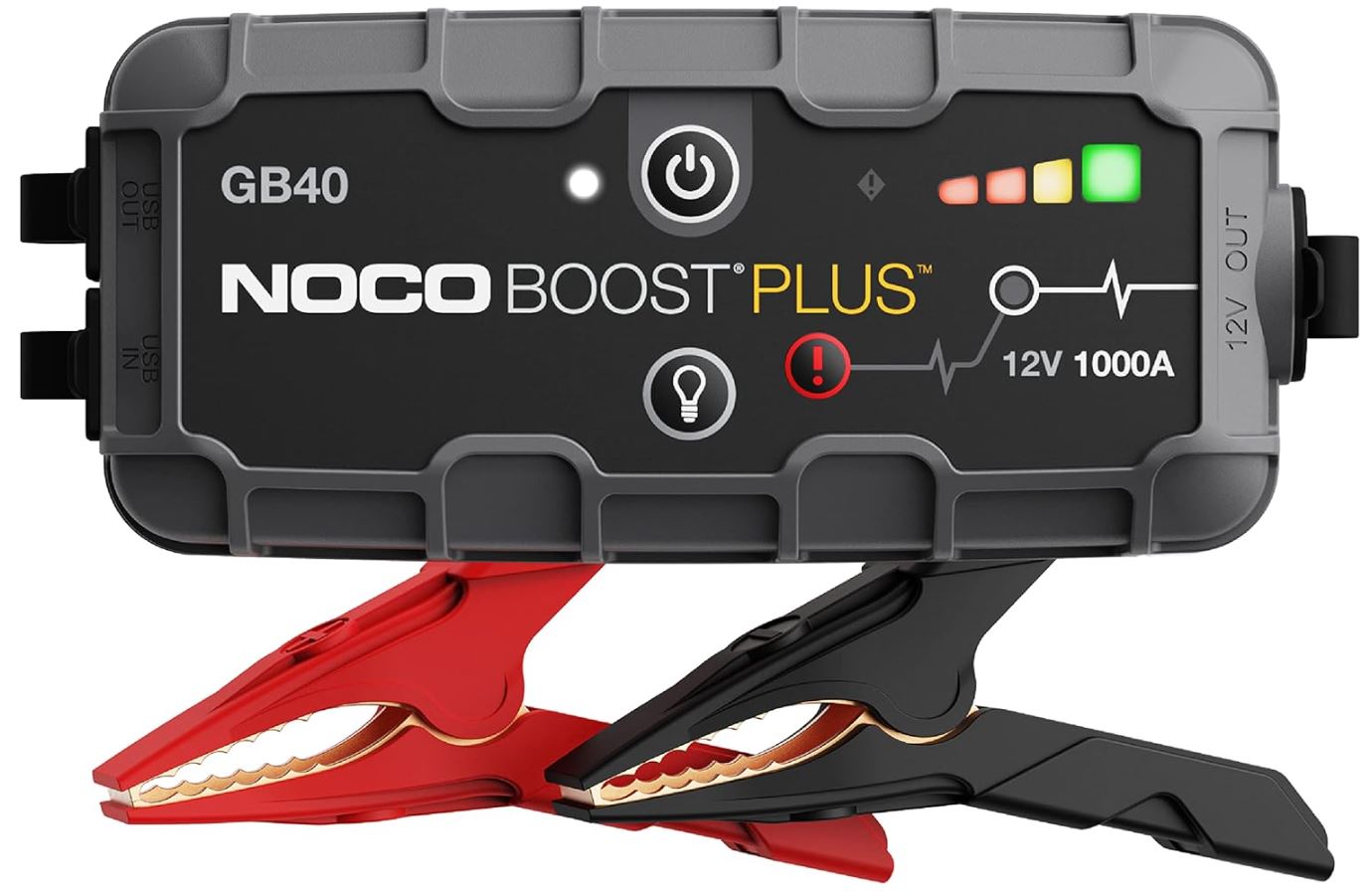
    • Jumper cables or jump starter packNoco Genius Boost jump starter is more practical than cables for solo travel.
    • Basic tool kit — screwdrivers, pliers, adjustable wrench, zip ties. vehicle emergency tool kit
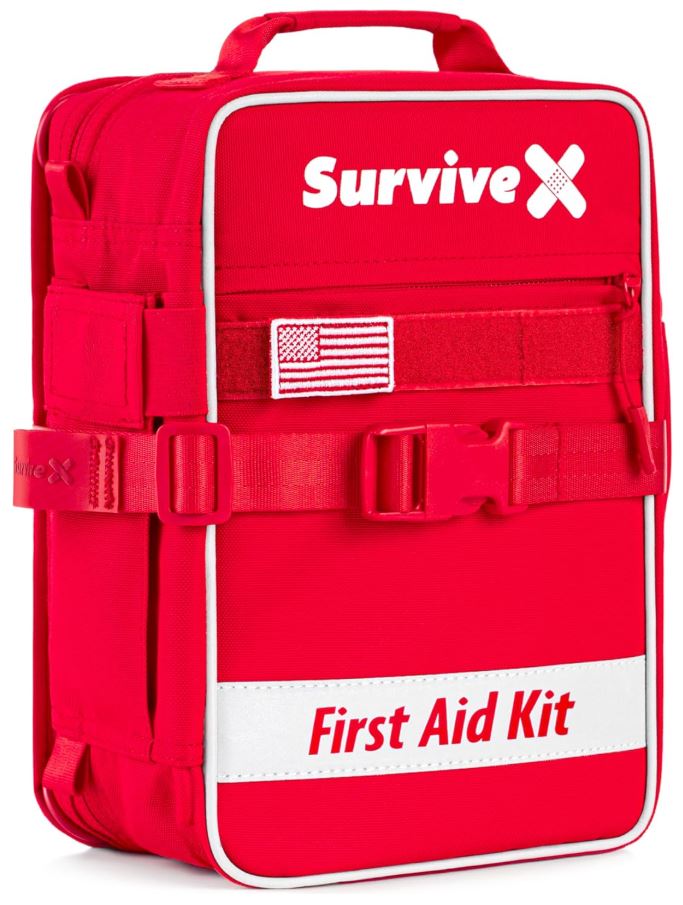
    • First aid kitSurviveware first aid kit
    • Emergency water — at least 2 gallons in case of a breakdown in the desert

    Fish Transport

    Documents (Keep in Accessible Location)

    • Passport (and passport card as backup)
    • Mexican auto insurance policy
    • Mexican fishing license (printed)
    • Tourist card (FMM) if applicable
    • Emergency contact numbers

    Cell Phone and Communication

    US carriers vary in Mexico coverage. Most major carriers (AT&T, T-Mobile, Verizon) include Mexico in their international plans — check your plan before departing. Coverage is generally good on MEX 1 through Ensenada and San Quintin. South of San Quintin, service becomes spotty in remote sections. Download offline Google Maps for Baja before crossing the border.

    WhatsApp is the dominant messaging platform in Mexico — your charter captain and hotel will almost certainly prefer it for communication.

    Speed Limits and Traffic Laws

    • Speed limits are posted in kilometers per hour (kph). 100 kph is approximately 62 mph — the standard highway speed limit on MEX 1.
    • Speed bumps (topes) are common at town entrances and are often unmarked. Approach every town at walking pace.
    • Military and immigration checkpoints are routine on MEX 1 — slow down, roll down your window, be polite. Questions are typically brief (where are you going, how long are you staying). No issues if your documents are in order.
    • Don’t drive at night in remote Baja if avoidable — livestock on the road, poor road markings, and limited services create real risks.

    Returning to the US

    When you re-enter the US:

    • Have your passport ready
    • Declare your fish catch on the CBP form — 30 pounds per person plus one whole fish. Don’t underestimate your catch or omit it — US Customs agents at San Ysidro and Otay Mesa are very familiar with fishing returns and inspect coolers regularly.
    • Surrender your FMM tourist card at the border

    Recommended Gear

    Affiliate links — as an Amazon Associate, bajafishingguide.com earns from qualifying purchases. No extra cost to you.

    Noco Boost Jump Starter

    Buy it on Amazon

    RTIC 65 Cooler

    Buy it on Amazon

    Plano Rod Travel Case

    Buy it on Amazon

    Vehicle Emergency Tool Kit

    Buy it on Amazon

    Surviveware First Aid Kit

    Buy it on Amazon

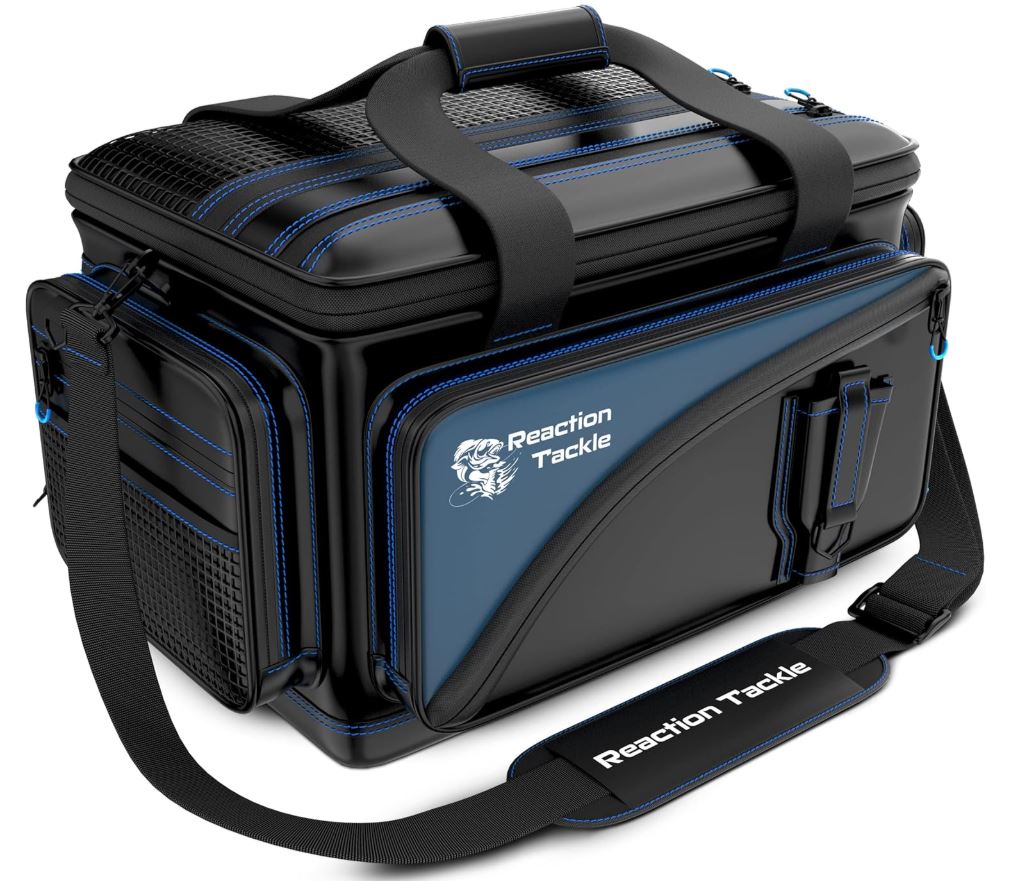
    Waterproof Tackle Bag

    Buy it on Amazon


    Frequently Asked Questions

    Is it safe to drive through Baja to fishing destinations?

    The popular fishing corridors — Tijuana to Ensenada, and Ensenada to San Quintin — are well-traveled routes used by tens of thousands of US visitors annually. Check current US State Department travel advisories before your trip. The main highway is generally considered safe for tourist travel.

    What vehicle do I need for driving to Baja?

    A standard passenger vehicle handles MEX 1 to all major fishing destinations without difficulty. A pickup truck or SUV is more comfortable for accessing dirt roads to remote beaches and launch ramps, but not required for most fishing trips. A vehicle with high clearance helps if you plan to explore beyond the main highway.

    Can I bring fishing live bait across the border?

    Live bait crossing the US-Mexico border is a complex regulatory question — different rules apply to different species. Frozen or dead bait is generally simpler. Check current US CBP and USDA APHIS rules before attempting to transport live fish or invertebrates across the border.

    How long does the border crossing take?

    Entering Mexico (southbound) is typically 5–15 minutes — Mexican entry is not the bottleneck. Returning to the US (northbound) is where wait times vary dramatically: 30 minutes at off-peak times to 3+ hours on Friday evenings and holiday weekends at San Ysidro. Check real-time wait times on the CBP app before choosing your crossing time.

    Do I need a permit for my boat or trailer in Mexico?

    Yes — vehicles towing trailers (including boat trailers) require a temporary vehicle import permit (TIP) for travel beyond the free zone. The TIP requires a credit card deposit and is issued at the border. Research current requirements before towing a boat to Baja.


    Plan Your Trip

    Related Guides

  • Baja Fishing License: How to Get Your Mexican Fishing Permit

    Baja Fishing License: How to Get Your Mexican Fishing Permit

    Every angler fishing in Mexican waters — including those on charter boats — requires a valid Mexican fishing license. No exceptions for age, nationality, or type of fishing. It doesn’t matter if you’re on a $1,200 cruiser out of Cabo or a $150 panga at San Quintin — you need your own license. Fishing without one risks fines, gear confiscation, and an encounter with the Mexican Navy that can derail an otherwise good trip.

    The good news: getting a Mexican fishing license is fast, inexpensive, and entirely manageable from home before you cross the border. Here’s how.

    Who Issues Mexican Fishing Licenses?

    Mexican recreational fishing licenses are issued by CONAPESCA — the Comisión Nacional de Acuacultura y Pesca (National Commission of Aquaculture and Fisheries), the Mexican federal agency responsible for fisheries management. The license authorizes you to fish recreationally in Mexican waters and specifies your authorized gear and catch limits.

    Licenses are issued per individual angler — not per boat or per group. Every person holding a rod on a Mexican fishing trip needs their own current license.

    How Much Does a Baja Fishing License Cost?

    License fees are set in Mexican pesos and fluctuate slightly with the exchange rate. Approximate 2026 costs in USD:

    DurationApproximate Cost (USD)Best For
    1 day~$16Single day trip
    1 week~$32Weekend or short trip
    1 month~$49Extended stay
    1 year~$55Multiple trips per year

    If you fish Baja more than twice a year, the annual license is obvious value — it costs barely more than a weekly license and covers all trips for 12 months.

    How to Purchase Your Mexican Fishing License

    Option 1: Online Through CONAPESCA (Official)

    The official CONAPESCA portal at permisos.conapesca.gob.mx issues licenses directly:

    1. Navigate to the sportfishing license section (pesca deportiva)
    2. Enter your personal information — name, passport number, nationality, address
    3. Select your license duration
    4. Pay by credit card
    5. Download and print your license immediately

    The CONAPESCA portal is in Spanish. If you’re not comfortable navigating a Spanish-language government website, use Option 2.

    Option 2: Through Licensed Third-Party Services

    Several English-language services facilitate Mexican fishing license purchases for US anglers, typically for a small service fee above the base license cost:

    • Mexico Fishing Permits (mexicofishingpermits.com) — one of the longest-established US-facing services. English interface, email delivery of license documentation.
    • Discover Baja (discoverbaja.com) — sells fishing licenses alongside Mexican auto insurance and other Baja travel services. Convenient if you’re also arranging insurance.
    • iSportsman — another third-party option with English interface and same-day processing.

    The service fee on third-party purchases typically runs $5–$15 above the base license cost — reasonable price for the English interface and faster support if something goes wrong.

    Option 3: At the Border or In Mexico

    Fishing licenses can technically be purchased at certain border crossings and from some charter operators in Mexico. This approach has problems:

    • Not all border crossings have license sales — availability is inconsistent
    • Some charters claim to include the license but may not provide valid documentation
    • You have no license if your charter arrangement falls through
    • Border crossing lines can make a quick license purchase impossible under time pressure

    Buy your license from home before you go. It takes 10 minutes and eliminates uncertainty.

    What You Need to Purchase

    Have these ready before starting your purchase:

    • Valid passport number (the one you’ll carry in Mexico)
    • Full legal name as it appears on your passport
    • Home address
    • Email address for license delivery
    • Credit card

    What Your License Covers

    A standard Mexican recreational fishing license authorizes:

    • Fishing with up to 3 hooks per line
    • Fishing with rod and reel
    • Personal possession of catch within the legal bag limits
    • Fishing in all Mexican federal waters (open ocean and navigable rivers)

    It does not cover:

    • Commercial fishing of any kind
    • Netting (dip nets for landing fish are acceptable)
    • Fishing for protected species
    • Sale of your catch

    Spearfishing requires the same recreational fishing license and is legal by freediving only — no scuba spearfishing is permitted in Mexico.

    Carrying Your License

    Always carry your license when fishing:

    • Print a physical copy — keep it in a waterproof bag or ziplock. Paper licenses can be inspected by the Mexican Navy on the water.
    • Digital backup — save a PDF to your phone. A photo in your camera roll also works.
    • Don’t assume your charter has it — even if the charter includes the license fee, verify you have received a valid license document with your name on it before departing the dock.

    Mexican Navy inspections on the water are most common around the Coronado Islands, Ensenada, and busy Cabo-area waters. They’re typically brief and professional — present your license, answer basic questions about your catch, and continue fishing.

    When Charters Include the License

    Many Baja charter operations include the fishing license in their quoted price. Convenient but requires verification:

    • Confirm license inclusion explicitly when booking — “Is the fishing license included for all anglers?”
    • Ask to see the license before departure — it should have each angler’s name on it
    • If the charter provides a “group license” or simply assures you it’s covered without paperwork, be skeptical — individual licenses are required

    If your charter includes the license and you’ve verified it’s valid, you don’t need to purchase separately. If there’s any uncertainty, buy your own before the trip — the cost is minimal relative to the overall trip expense.

    License Validity and Renewal

    Mexican fishing licenses are valid for the duration purchased from the date of issue:

    • A 1-day license is valid for the calendar day of issue
    • A weekly license is valid for 7 consecutive days from issue date
    • An annual license is valid for 12 months from issue date

    There is no grace period. An expired license is equivalent to no license — renew before your trip if your current license has lapsed.

    Frequently Asked Questions

    Do children need a fishing license in Mexico?

    Children under 16 are generally exempt from the Mexican fishing license requirement. Confirm current rules before assuming exemption — regulations can change and the specific threshold has varied. When in doubt, a $16 day license for a child is cheap insurance.

    What happens if I’m caught fishing without a license?

    At minimum, a significant fine and possible confiscation of your fishing gear and catch. For serious violations (protected species, commercial-scale activity), consequences are more severe. The risk is not worth the cost savings on a $16 license.

    Can I fish the Coronado Islands without a Mexican license?

    No — the Coronado Islands are Mexican territory regardless of which dock your boat departed from. Every angler on a Coronados trip needs a valid Mexican fishing license. Most San Diego charter operations include it in the trip price — confirm before boarding.

    Is my California fishing license valid in Mexico?

    No — a California fishing license is only valid in California waters. It provides no authorization to fish in Mexico. A separate Mexican license is required.

    How far in advance should I buy my license?

    Purchasing online the day before your trip is fine — licenses are delivered by email and print immediately. That said, buying a week ahead gives you time to resolve any issues without time pressure.

    Where can I find the most current license fees?

    At the official CONAPESCA portal (permisos.conapesca.gob.mx). Fees are set in Mexican pesos and the USD equivalent fluctuates with the exchange rate. The figures in this guide reflect 2026 rates and may change.

    Is the license valid for all types of fishing in Mexico?

    The standard recreational fishing license covers rod and reel fishing throughout Mexican federal waters. Some protected areas (specific lagoons and marine reserves) have additional regulations or access restrictions beyond the standard license. Check local regulations for your specific destination.


    Plan Your Trip

    Related Guides


    About the Author

    By Kenny — publisher of Baja Fishing Guide and SoCal saltwater angler since the 1997 El Niño. License rules change periodically; verify current fees and requirements with CONAPESCA before your trip.

  • Baja Fishing Regulations: Mexican Fishing Laws Explained

    Baja Fishing Regulations: Mexican Fishing Laws Explained

    Fishing in Mexico is governed by CONAPESCA — the National Commission of Aquaculture and Fisheries — and enforced by the Mexican Navy (SEMAR) and environmental authorities. Understanding the regulations before you go keeps your trip legal, protects the fishery, and avoids fines or gear confiscation that can sink an otherwise great trip.

    This guide covers the most important regulations for recreational anglers fishing Baja California — Coronado Islands, Ensenada, San Quintin, Loreto, La Paz, the East Cape, and Cabo.

    Mexican Fishing License: The First Requirement

    Every angler fishing in Mexican waters needs a valid Mexican fishing license. That includes everyone aboard a charter — not just the captain. No exceptions for age, nationality, or the type of fishing.

    Licenses are issued by CONAPESCA and can be purchased online before your trip. Approximate 2026 rates in USD:

    • 1 day: ~$16
    • 1 week: ~$32
    • 1 month: ~$49
    • 1 year: ~$55

    Carry your license when fishing — a printed copy and a digital backup on your phone. Inspections do happen, particularly around the Coronado Islands and major sportfishing ports. Full details in our fishing license guide.

    On charters: Many operators include the license in their pricing. Always confirm this when booking. If they say it’s included, get it in writing or verify you receive an actual license document before departure.

    Bag Limits: How Many Fish Can You Keep?

    Mexican bag limits apply to individual anglers, not to the vessel. Daily limits — no accumulation of unused days. Based on current CONAPESCA regulations:

    Pelagic Species

    Species Daily Bag Limit Notes
    Dorado (Mahi-Mahi)5 per anglerOne of the most regulated pelagics
    Wahoo5 per angler
    Yellowtail10 per anglerCombined with similar jack species
    Tuna (all species)10 per anglerCombined yellowfin, bluefin, bigeye
    Striped Marlin1 per anglerCatch-and-release strongly encouraged
    Blue Marlin1 per anglerCatch-and-release is the standard
    Sailfish1 per anglerCatch-and-release strongly encouraged
    Swordfish1 per angler

    Inshore and Bottom Species

    Species Daily Bag Limit Notes
    Halibut10 per anglerCalifornia halibut
    Roosterfish1 per anglerCatch-and-release strongly encouraged
    Rockfish25 per anglerMixed bag
    Lingcod5 per angler
    Cabrilla10 per anglerVarious species combined
    Pargo10 per anglerSnapper species
    Corvina10 per angler
    White Seabass5 per angler

    Important: Regulations change periodically. Verify current limits with CONAPESCA or your charter operator before your trip. These figures reflect published regulations at time of writing, but Mexico does update them.

    Protected Species: Do Not Catch

    Several species found in Baja waters are fully protected under Mexican law. If accidentally hooked, release immediately. Keeping any of these is a serious offense with significant penalties:

    • Sea turtles (all species): Fully protected. If one takes your bait, remove the hook as carefully as possible and release. Don’t lift a sea turtle from the water if it can be avoided.
    • Whale sharks: The largest fish in the ocean, fully protected in Mexico. Do not hook, touch, or approach in a way that disturbs them.
    • Dolphins and porpoises: All cetaceans are protected.
    • Marine mammals: Sea lions, seals, whales — all protected.
    • Sawfish: Critically endangered, fully protected.
    • Totoaba: Endangered giant corvina native to the upper Sea of Cortez. Fully protected and the subject of intense enforcement in that area. If you’re fishing San Felipe and hook something that looks like an outsized corvina, release it immediately.

    Size Limits

    Mexico establishes minimum size limits for many species to protect juveniles and allow populations to reproduce before harvest. Key size limits:

    • Dorado: Minimum 60 cm (~24 inches) fork length
    • Yellowtail: Minimum 60 cm fork length
    • Roosterfish: Minimum 60 cm total length
    • Halibut: Minimum 60 cm total length
    • Wahoo: Minimum 60 cm fork length

    Undersized fish must be released immediately and carefully. Handle as little as possible and return them headfirst to the water.

    Gear Restrictions

    Recreational fishing has specific gear limits designed to prevent commercial-scale harvesting:

    • Hooks: Maximum of 3 hooks per line. No trotlines or longlines for recreational fishing.
    • Nets: Prohibited for recreational fishing. Dip nets for landing fish are fine.
    • Spearfishing: Legal for recreational use but only with breath-hold (freediving). No scuba spearfishing. Spear guns and pole spears are allowed.
    • Underwater lights: Using lights to attract fish for spearing at night is prohibited.
    • Live fish traps: Prohibited for recreational fishing.

    Protected Areas and No-Take Zones

    Several Baja areas have enhanced protection:

    Loreto Bay National Marine Park: Waters around Loreto are a UNESCO World Heritage Site and national marine park. Recreational fishing with a valid license is permitted within the park, but commercial fishing is heavily restricted. Respect park boundaries and follow local rules — rangers patrol actively.

    Upper Sea of Cortez Biosphere Reserve: The northern end of the Sea of Cortez (around San Felipe) has strict fishing restrictions related to vaquita porpoise protection and totoaba conservation. Check current access rules before fishing here.

    Cabo Pulmo National Marine Park: Coral reef system near the East Cape. No-take zone — fishing, anchoring on coral, and disturbing marine life are all prohibited. Snorkeling and diving permitted.

    Transporting Fish Home

    US Customs regulations govern what you can bring back across the border:

    • Personal exemption: 30 pounds of fish per person, plus one whole fish (regardless of weight)
    • Form: Fish must be declared on your US Customs form — always declare your catch
    • Identification: Fish must be in a clearly identifiable form at the border. Completely filleted fish with no skin can be rejected as unidentifiable.
    • Prohibited species: Totoaba, sea turtles, and other protected species cannot be transported under any circumstances

    Agents at San Diego border crossings are very familiar with sportfishing returns and the process is generally fast and routine. Declare everything — penalties for smuggling fish products are significant.

    The Practical Side: Getting a Trophy Fish Home

    Worth being honest about something the “30 pounds plus one whole fish” rule doesn’t capture: actually transporting a large fish from a destination trip is harder and more expensive than most anglers expect. A 100-pound tuna or a big amberjack from Cabo isn’t something you casually throw in a cooler and fly home with.

    Options if you want fish home from a fly-in trip:

    • Vacuum-seal and freeze at your hotel before flying: Best option if you have the time and equipment. Portion, bleed, vacuum-seal, and freeze the night before departure. Pack in a quality insulated fish bag with dry ice or frozen gel packs. Declare at customs.
    • Charter fish-packaging service: Some Cabo operators offer this as an add-on. Be skeptical of the pricing. This is an area where traveling anglers can get fleeced easily — ask specifically what’s included (processing, vacuum sealing, ice/dry ice, boxing, handoff logistics) and get a quote in writing before you book the trip.
    • Give it to the locals: Honestly, for a genuinely big fish, this is often the right call. A trophy tuna or amberjack gifted to the crew, dock hands, or local families will actually be used well and the memory and the photo are what you came for. That’s what I did with my biggest Cabo amberjack.

    If you’re driving home from northern Baja (Ensenada, San Quintin), the logistics are much simpler — your cooler travels with you. For fly-in trips, think about this before you book, not after you catch.

    Penalties for Violations

    Fishing without a license, exceeding bag limits, keeping protected species, or violating gear restrictions can result in:

    • Fines ranging from several hundred to several thousand US dollars
    • Confiscation of fishing gear, catch, and in serious cases the vessel
    • Detention by Mexican Navy or environmental authorities
    • Criminal charges for the most serious violations (protected species, commercial-scale violations)

    Enforcement reality: recreational anglers fishing with licensed charter operations are rarely inspected thoroughly. Violations do get caught, particularly around the Coronados, which the Mexican Navy patrols regularly. The consequences aren’t worth the risk.

    Catch-and-Release Ethics

    Many Baja species — roosterfish, marlin, sailfish, large dorado — are increasingly fished on catch-and-release, and Mexican regulations reflect the shift with low bag limits on billfish. If you’re releasing fish, maximize survival rates:

    • Use circle hooks where possible — they hook fish in the corner of the mouth, making release much easier
    • Keep the fish in the water as much as possible during release
    • Minimize handling time — don’t take extended photos before release
    • If the fish needs revival, hold it facing into the current and let it swim away on its own
    • Cut the leader at the hook if it’s deeply embedded — the hook will rust out faster than you think

    Roosterfish in particular are very popular for catch-and-release. They’re phenomenal fighters but relatively poor table fish — keeping them makes little sense when the same fish can be enjoyed by many anglers over many years.

    Frequently Asked Questions

    Can I fish in Baja without a license if I’m on a charter?

    No — each angler on the boat needs their own valid Mexican fishing license. Some charters include it in price; others require you to buy your own before boarding. Always confirm before the trip.

    What happens if I’m caught fishing without a license?

    At minimum, a significant fine and possible confiscation of gear and catch. Don’t risk it — the license costs less than $20 for a single day.

    Are the regulations the same throughout Baja?

    National regulations apply throughout Mexico, but specific protected areas (Loreto Bay National Marine Park, Cabo Pulmo) have additional restrictions. Always check local rules for your specific destination.

    Can I sell my catch from a Baja fishing trip?

    No. Commercial fishing requires a commercial license. Recreational licenses specifically prohibit selling your catch. Fish brought back under a recreational license are for personal consumption only.

    Do children need a fishing license in Mexico?

    Children under 16 are generally exempt from the Mexican fishing license requirement, but regulations can vary. Confirm current rules with CONAPESCA or your charter before assuming a child is exempt.

    Where can I find the most current Baja fishing regulations?

    The official source is CONAPESCA at conapesca.gob.mx. Many charter operators stay current on regulations and can advise. Regulations change periodically — always verify before your trip.


    Plan Your Trip

    Related Guides


    About the Author

    By Kenny — SoCal saltwater angler and publisher of Baja Fishing Guide. Regulations change periodically; always verify current rules with CONAPESCA or your charter operator before your trip. This guide reflects published regulations at time of writing.

  • Baja Fishing Seasons: Month-by-Month Calendar | Baja Fishing Guide

    Baja Fishing Seasons: Month-by-Month Calendar | Baja Fishing Guide

    Baja California fishes year-round — but the best action shifts dramatically by month, region, and target species. Water temperature is the single biggest driver: warm water pushes pelagic species north and concentrates them near the surface, while cooler water slows the tropicals but can produce excellent inshore fishing. Understanding the seasonal rhythm helps you pick the right destination, target the right species, and time your trip for peak conditions.

    This calendar covers the full Baja peninsula from Ensenada in the north to Cabo San Lucas in the south, broken down month by month.

    January

    Overall: Quietest month across the peninsula. Crowds are minimal and prices are at their lowest — if you’re flexible on species this is a great time to find deals.

    Northern Baja (Ensenada, Coronados): Cooler Pacific water (58–64°F) means yellowtail slow down significantly. Rockfish and lingcod are active and can be targeted on overnight trips. Halibut are present but sluggish.

    Southern Baja (Cabo, East Cape, La Paz): Striped marlin fishing can be exceptional in January — this is peak season for billfish around Cabo. Water temps drop to 68–72°F but the marlin stay. Wahoo slow down but don’t disappear entirely.

    Best target in January: Striped marlin (Cabo), rockfish (northern Baja)

    February

    Overall: Similar to January — quiet, affordable, and good for anglers willing to target whatever is biting rather than specific species.

    Northern Baja: Yellowtail begin to show more consistently as water temps edge up through February. Some years produce exceptional yellows in late February around the Coronados. Rockfish remain excellent.

    Southern Baja: Marlin fishing continues to be strong around Cabo. Gray whale watching peaks in Guerrero Negro’s lagoons — a worthwhile side trip if you’re driving south. Roosterfish begin to show in La Paz as the Cortez slowly warms.

    Best target in February: Striped marlin (Cabo), early yellowtail (Coronados)

    March

    Overall: Spring begins to show. Temperatures rise, the Pacific starts to warm, and fish get more active across the peninsula.

    Northern Baja: Yellowtail fishing picks up noticeably — March through May is often the best period for yellows around the Coronados and Ensenada. Schools concentrate around kelp beds and structure.

    Southern Baja: Roosterfish become more active along the East Cape beaches as Cortez water temps climb toward 70°F. Dorado start to appear in small numbers off La Paz and Loreto. Sierra mackerel are abundant and fun on light tackle.

    Best target in March: Yellowtail (Coronados, Ensenada), early roosterfish (East Cape)

    April

    Overall: One of the best months for northern Baja. Spring yellowtail are in full swing and conditions are typically excellent — calm seas, comfortable temperatures, and fewer crowds than summer.

    Northern Baja: Peak spring yellowtail season. Schools stack around kelp paddy lines and offshore structure. Halibut fishing picks up significantly on the sandy flats around San Quintin. White seabass begin to show in Ensenada-area waters.

    Southern Baja: Roosterfish action builds along the East Cape and La Paz beaches. Dorado numbers increase around Loreto. Water temps around 72–76°F in the Cortez. Sierra mackerel excellent throughout. Some early tuna showing around Cabo.

    Best target in April: Yellowtail (northern Baja), halibut (San Quintin), roosterfish (East Cape)

    May

    Overall: The transition month — northern Baja spring fishing remains strong while the southern Cortez warms into peak territory. May is an underrated month with excellent fishing and pre-peak-season prices.

    Northern Baja: Yellowtail continue strong. The first bluefin tuna of the year sometimes push north to the Coronados in warm-water years — a bonus worth watching for. Halibut fishing peaks at San Quintin.

    Southern Baja: Dorado season begins in earnest — the first paddies appear offshore as water temps hit 76–80°F. Roosterfish are extremely active along the East Cape and La Paz. Wahoo begin to stir in the deep water south of La Paz. Loreto’s offshore banks light up with yellowtail and dorado.

    Best target in May: Halibut (San Quintin), dorado (Loreto, La Paz), roosterfish (East Cape)

    June

    Overall: Summer begins. Warm-water species push north and fishing intensifies across the entire peninsula. June marks the start of the best overall season in southern Baja.

    Northern Baja: Yellowtail remain excellent. Albacore tuna start to appear further offshore. Summer crowds begin on the San Diego-departure boats heading to the Coronados.

    Southern Baja: Dorado are abundant — finding a kelp paddy off Loreto or La Paz and working it with light tackle is one of the great Baja fishing experiences. Wahoo pick up significantly. Roosterfish peak. Tuna become more consistent around Cabo. Water temps 80–84°F in the Cortez.

    Best target in June: Dorado (Loreto, La Paz), roosterfish (East Cape), wahoo (La Paz)

    July

    Overall: Peak season begins across southern Baja. Everything is biting, the water is warm, and conditions are excellent — but crowds and prices reflect it.

    Northern Baja: Yellowtail remain active. Yellowfin tuna begin pushing north of the border in good numbers. The long-range fleet out of San Diego starts targeting 2–5 day trips to the offshore banks.

    Southern Baja: All species are firing: dorado are everywhere around paddies and weed lines, wahoo are aggressive in the deep water, roosterfish top out on the beaches, and tuna are consistent. Marlin season peaks around Cabo. Water temps hit 84–88°F — peak pelagic conditions. Book ahead — July boats fill quickly.

    Best target in July: Dorado (everywhere south of Loreto), wahoo (La Paz, East Cape), tuna (offshore banks)

    August

    Overall: The height of summer. Peak fishing, peak crowds, peak prices — and peak heat. Morning departures are critical; afternoons can be brutal. Watch for tropical storms and swells.

    Northern Baja: Yellowfin and bluefin tuna are active offshore. Yellowtail slow as water temps rise above their comfort zone. Offshore trips from San Diego are in full swing targeting tuna banks 50–100+ miles out.

    Southern Baja: All species remain at peak. Dorado are exceptionally abundant — some years produce near-constant kelp paddy action. Wahoo at their most aggressive. Hurricane season begins; check weather forecasts carefully before booking.

    Best target in August: Tuna (offshore, northern Baja), dorado and wahoo (southern Baja)

    September

    Overall: Arguably the best overall month to fish Baja. Water temps remain warm, pelagics are still stacked, and crowds begin to thin as summer ends. Prices start to drop. The sweet spot of the year.

    Northern Baja: Tuna continue to be excellent offshore. Yellowtail start to come back as water cools slightly. Albacore tuna accessible from San Diego on longer range trips.

    Southern Baja: Everything is still biting and the crowds have thinned noticeably from August. Dorado remain abundant. Wahoo fishing peaks in September — this is when big fish are most consistently available. Roosterfish continue strong. Water temps 82–86°F.

    Best target in September: Wahoo (La Paz, East Cape, Cabo), dorado (all southern destinations), tuna (offshore)

    October

    Overall: One of the best fishing months of the year — fantastic conditions, declining crowds, and lower prices. Peak wahoo and consistent dorado before the season winds down.

    Northern Baja: Yellowtail return in force as Pacific water temps drop to the ideal range (64–70°F). Some years produce extraordinary yellowtail fishing at the Coronados and Ensenada in October. Bluefin tuna can be excellent in warm-water years.

    Southern Baja: Wahoo fishing peaks in October — this is the month serious wahoo anglers target. Dorado begin to thin but remain excellent. Marlin fishing around Cabo builds toward its winter peak. Water temps 78–84°F. Last month of reliable summer-species action before the transition.

    Best target in October: Wahoo (La Paz, East Cape), yellowtail (northern Baja), marlin (Cabo)

    November

    Overall: The transition out of summer season. Pelagics slow significantly in the south while northern Baja enters a productive fall phase. Prices drop and crowds are minimal.

    Northern Baja: Fall yellowtail can be exceptional — November fish are often larger than summer fish and less pressured. Halibut and bottom fishing remain solid through November. White seabass sometimes show in good numbers.

    Southern Baja: Wahoo and dorado become much less reliable — some good days still happen but don’t book a trip specifically for them. Marlin around Cabo is the story. Sierra mackerel and bottom species remain available.

    Best target in November: Fall yellowtail (Coronados, Ensenada), striped marlin (Cabo)

    December

    Overall: Quiet season in most of Baja. Great for anglers who want uncrowded water, lower prices, and don’t mind adapting to what’s available.

    Northern Baja: Cooler water (60–65°F) slows most species. Rockfish, lingcod, and bottom fishing remain productive. Some yellowtail hang around structure into December in warm years.

    Southern Baja: Striped marlin fishing builds at Cabo — December marks the beginning of the best marlin months. Some big yellowfin tuna appear offshore. Wahoo largely gone. The Cortez cools to 70–74°F.

    Best target in December: Striped marlin (Cabo), bottom fishing (northern Baja)

    Quick Reference: Best Months by Species

    Species Best Months Best Region
    Yellowtail March–May, September–November Northern Baja, Loreto
    Halibut April–June San Quintin, Ensenada
    Dorado June–October Loreto, La Paz, East Cape
    Wahoo August–October La Paz, East Cape, Cabo
    Roosterfish May–October East Cape, La Paz
    Tuna June–November Offshore banks, Cabo
    Striped Marlin October–March Cabo San Lucas
    White Seabass March–June Ensenada, San Quintin
    Rockfish Year-round Northern Baja

    Recommended Gear

    Affiliate links — as an Amazon Associate, bajafishingguide.com earns from qualifying purchases. No extra cost to you.

    Tady 45

    Buy it on Amazon


    Frequently Asked Questions

    What is the best month to fish Baja for the first time?

    September and October offer the best combination of active fishing, thinner crowds, and lower prices. All summer species are still available and the oppressive August heat has eased.

    When is wahoo season in Baja?

    Wahoo are most reliably available from July through November, with September and October widely considered peak wahoo months in the La Paz and East Cape areas.

    When is the best time to fish Ensenada?

    Spring (March–May) is the peak yellowtail season out of Ensenada. Fall (September–November) produces another strong run of yellowtail as the water cools from summer highs.

    Is Cabo fishing year-round?

    Yes — Cabo is one of the few Baja destinations with genuinely year-round fishing. Striped marlin peak in winter (October–March), while dorado, wahoo, and tuna dominate summer and fall.

    When should I avoid fishing Baja?

    There’s no truly bad month, but December through February in the south sees reduced warm-water species activity. August brings peak crowds and prices, plus hurricane risk. If you’re flexible on species, every month has something good to offer.

    Does water temperature matter that much for Baja fishing?

    Enormously. Pelagic species like dorado, wahoo, and tuna follow warm water (75°F+). Yellowtail prefer cooler water (64–70°F). Check current SST maps at fishing-reports.ai before your trip to see real-time conditions.

    When is hurricane season in Baja?

    Hurricane season officially runs June through November, with August through October being the highest risk period. Always check forecasts before booking a summer or fall trip, particularly to southern Baja. Most years see little hurricane impact on fishing, but it’s worth monitoring.


    Plan Your Trip

    Related Guides