
Driving to Baja is one of the great road trip experiences in North America — a gradual transition from the familiar sprawl of the US border zone into increasingly remote desert, mountain, and coastal scenery as MEX 1 winds its way south toward the Sea of Cortez. For Southern California anglers, it’s the most common way to access the best fishing on the northern half of the peninsula, and for a good reason: it puts you in complete control of your gear, your schedule, and your destinations in a way that flying never does.
It also requires preparation that flying doesn’t. Mexican auto insurance is mandatory. The roads are different. The fuel situation needs planning. And crossing the border with a truck full of fishing gear has its own particular choreography. This guide covers everything you need to drive to Baja for fishing without the avoidable surprises.
Mexican Auto Insurance: Non-Negotiable
This is the single most important preparation item for driving to Baja. Your US auto insurance policy does not cover you in Mexico. Period. If you’re involved in an accident in Mexico — whether your fault or not — you can be detained by Mexican authorities until liability is established. Without Mexican insurance, you have no legal protection and no mechanism for settling claims.
Mexican auto insurance is required by law and must be purchased from a licensed Mexican insurance company. Fortunately it’s easy to buy online before you leave:
- Discover Baja (discoverbaja.com) — one of the most popular US-facing Mexican insurance providers. Also sells fishing licenses, which is convenient.
- Baja Bound (bajabound.com) — competitive rates, instant email delivery of policy documents.
- Oscar Padilla Mexican Insurance — long-established provider with good reputation.
- AAA — members can purchase Mexican auto insurance through AAA. Convenient if you’re already a member.
Cost varies by vehicle value, coverage level, and trip duration. Expect approximately $25–$50/day for a standard passenger vehicle with full coverage. An annual policy (if you drive to Baja multiple times) typically runs $250–$500 depending on vehicle value.
What to bring: Print your policy and keep it in the vehicle. Have a digital backup on your phone. Your policy number and the insurer’s Mexican claims phone number should be immediately accessible.
Tourist Card (FMM)
If you’re traveling beyond the “free zone” — roughly 25–30km south of the border in most areas — you need a tourist card (Forma Migratoria Múltiple or FMM).
For most fishing trips:
- Ensenada and the Coronado Islands: You’re within or barely beyond the free zone. Technically you may not need an FMM, but having one is never wrong and enforcement varies.
- San Quintin and south: You’re beyond the free zone. Get the FMM.
FMMs cost approximately $30 USD and are available at the border crossing (ask for one when entering), online at the official INM website, or through some travel service providers. Keep it with your passport for the duration of your trip — you surrender it when you exit Mexico.
The Border Crossing
The main crossings into Baja from San Diego:
San Ysidro / Tijuana: The busiest land border crossing in the world. Can be brutal during peak hours (Friday afternoon, Monday morning, holiday weekends). Avoid if possible. If you must use it, cross very early morning (before 6 AM) or use the SENTRI/Ready Lane if you have the pass.
Otay Mesa: Less crowded than San Ysidro and faster for commercial-heavy crossings. Better option for morning departures.
Tecate: The most pleasant border crossing option for Baja fishing trips. A small, low-traffic crossing east of Tijuana. The drive to San Quintin or Ensenada is slightly longer via Tecate but the relaxed crossing often saves time overall. Well worth considering for early morning departures.
Tips for crossing:
- Have your passport out and ready
- Don’t pack your firearms — firearms are illegal in Mexico for non-residents without complex permits, and a weapon found at the border is a serious situation
- Declare cash over $10,000 USD if carrying it (most fishing trips don’t involve this amount)
- Fresh produce, certain meats, and live bait may be subject to inspection — check current CBP rules before packing fresh food
- Fishing gear (rods, reels, tackle) crosses freely for personal use
The Road: MEX 1 (Transpeninsular Highway)
MEX 1 runs the full 1,000-mile length of the Baja peninsula from Tijuana to Cabo San Lucas. The entire route is paved. Road conditions vary significantly by section:
Tijuana to Ensenada (MEX 1D, the toll road): The best road in Baja — smooth, divided highway, multiple lanes, well-signed. Tolls run approximately $4–$6 USD total. Take this route. The parallel free road (MEX 1 libre through Rosarito) is slower and more congested.
Ensenada to San Quintin: Good two-lane highway, paved, some curves and grades through valleys. Straightforward driving at 60–70 mph. 2 hours from Ensenada.
San Quintin to Loreto: The longest, most remote stretch — approximately 8–9 hours of driving across the desert interior. The road is paved throughout but narrow, with some rough sections. Plan overnight stops in El Rosario, Guerrero Negro, or Mulegé.
Loreto to La Paz: 4 hours on MEX 1, increasingly dramatic scenery as the road drops toward the Sea of Cortez. Good road condition throughout.
La Paz to Cabo: 2 hours on MEX 19 (the Pacific side route) or MEX 1 via San José del Cabo. Well-maintained, easy driving.
Fuel and Pemex Stations
Mexico’s fuel network is operated by Pemex — all gas stations in Baja are Pemex branded. Key rules:
- Never let your tank drop below half — Pemex stations can be 50–80 miles apart in remote sections of MEX 1 between San Quintin and Loreto. Running out of fuel in the desert is a serious situation.
- Fuel grade: Magna (regular) and Premium (premium) are the two grades available. Most modern vehicles run fine on Magna unless they specifically require premium.
- Payment: Credit cards are accepted at most Pemex stations. Always have some pesos as backup — not all stations accept cards reliably.
- Fuel cost: Generally slightly cheaper than California. The price is set by the government and displayed on the pump.
- Attendant-served: Pemex stations are full-service — an attendant pumps your fuel. Tip 10–15 pesos.
What to Pack in Your Vehicle
In addition to your fishing gear:
Vehicle Essentials
- Spare tire in good condition — and the tools to change it. Check it before you go. Potholes and debris flats do happen.
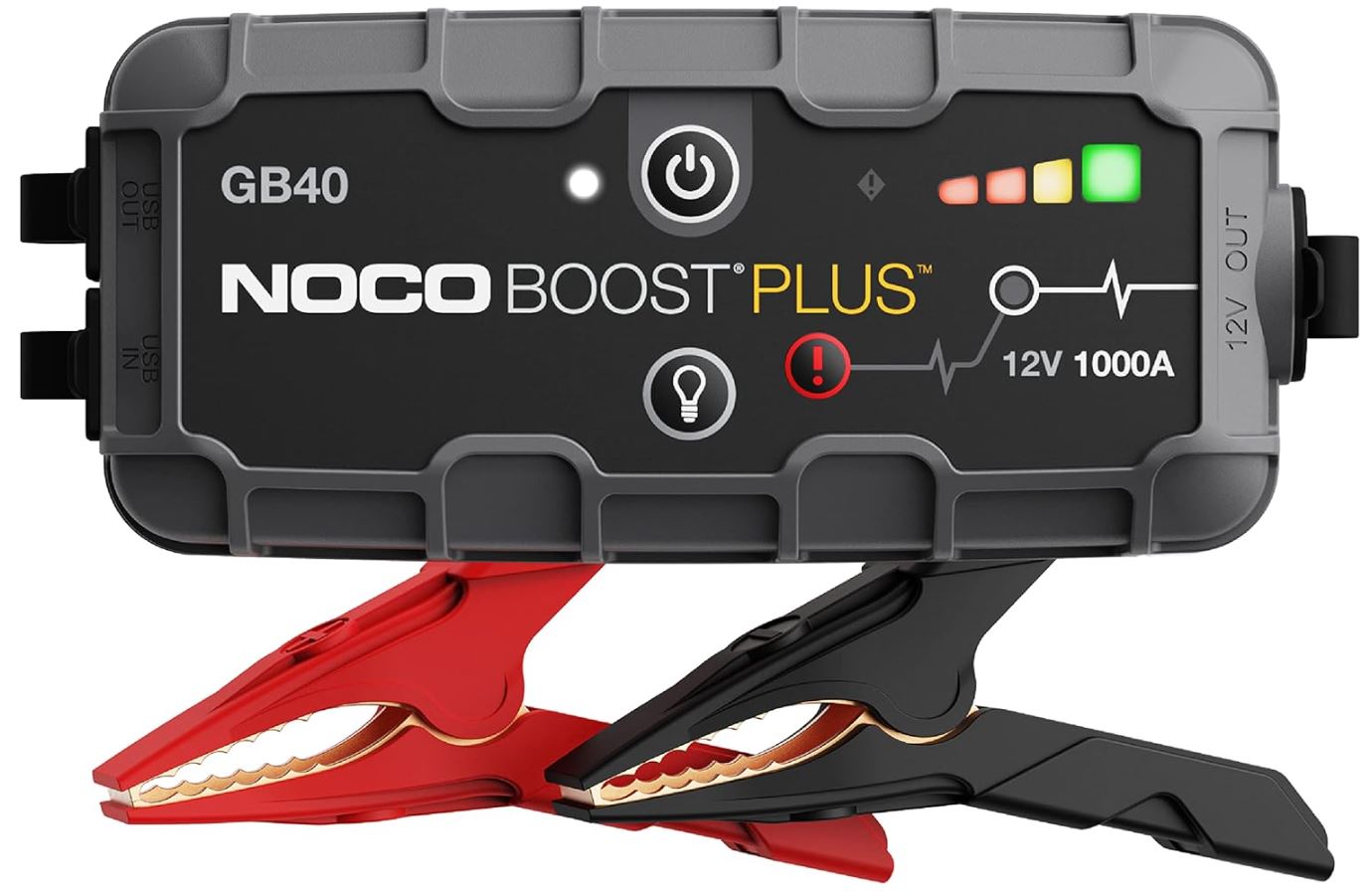
- Jumper cables or jump starter pack — Noco Genius Boost jump starter is more practical than cables for solo travel.
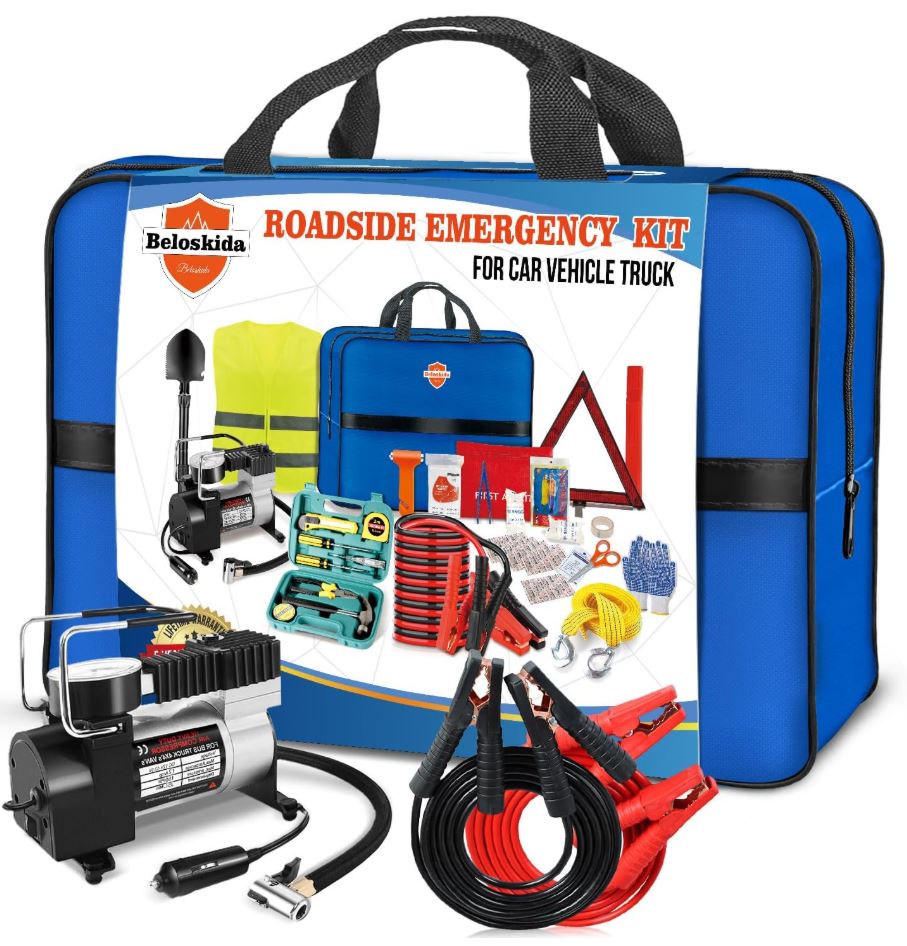
- Basic tool kit — screwdrivers, pliers, adjustable wrench, zip ties. vehicle emergency tool kit
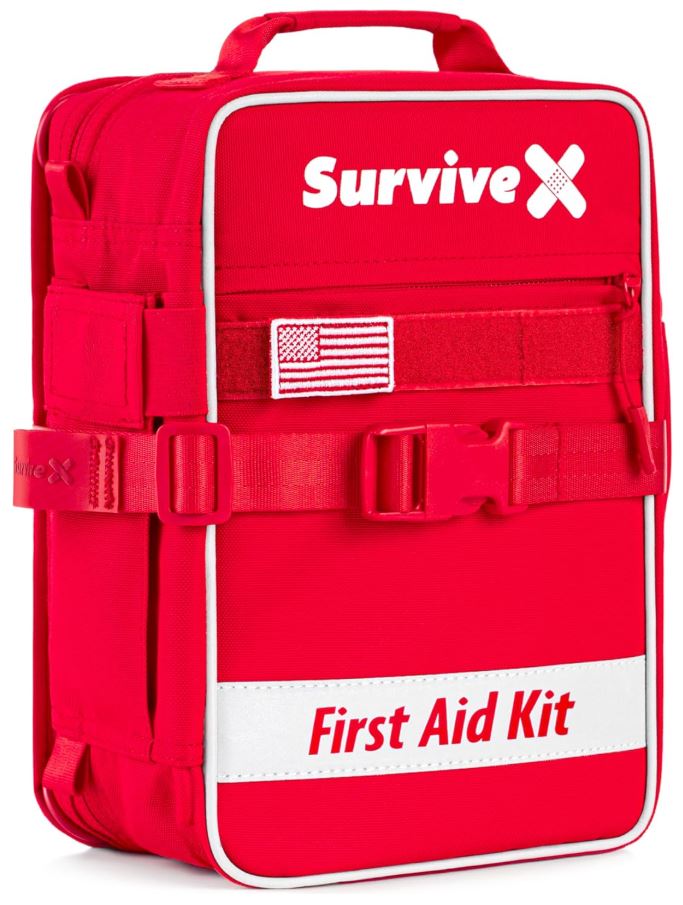
- First aid kit — Surviveware first aid kit
- Emergency water — at least 2 gallons in case of a breakdown in the desert
Fish Transport
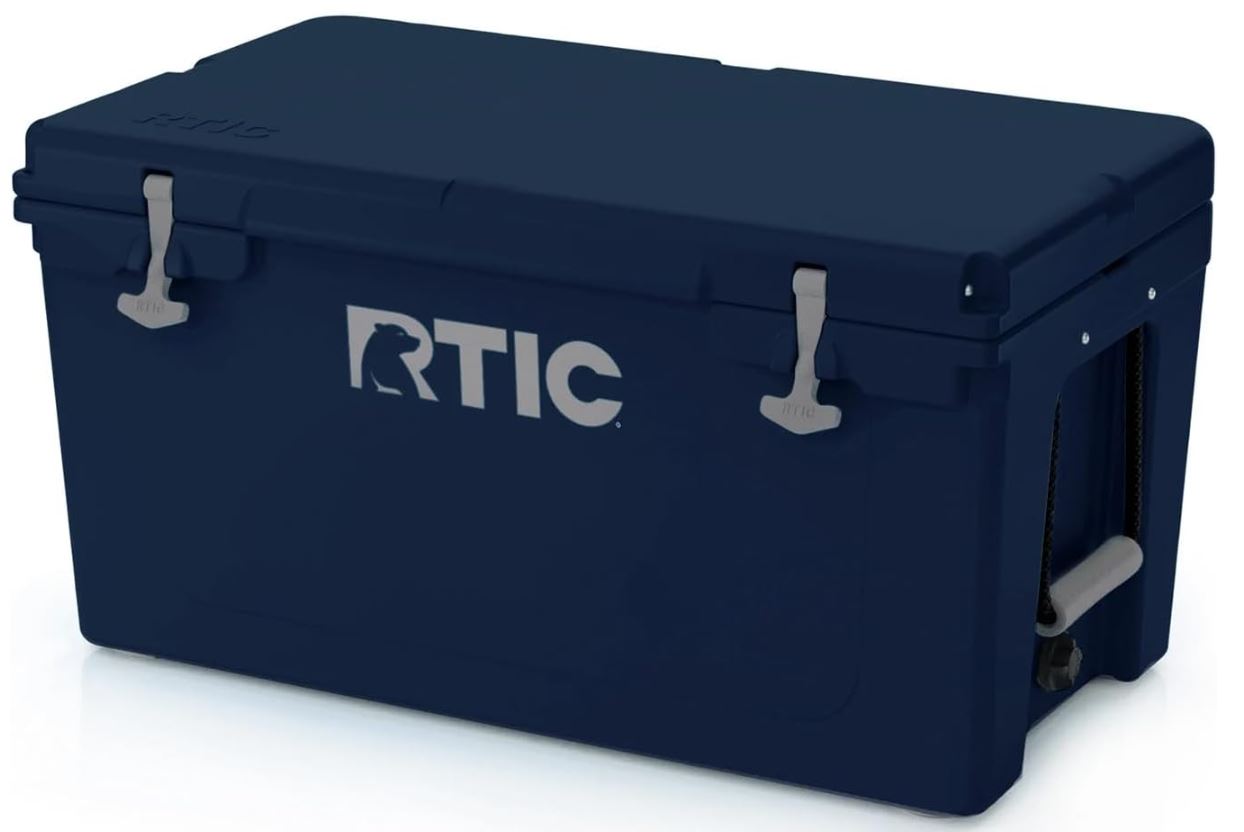
- Quality cooler — RTIC 65 Rotomolded Cooler keeps fish fresh for 2–3 days with adequate ice.
- Rod tubes for the bed or roof — protect your rods during the drive. Plano Guide Series Rod Cases fit 6–8 broken-down rods.
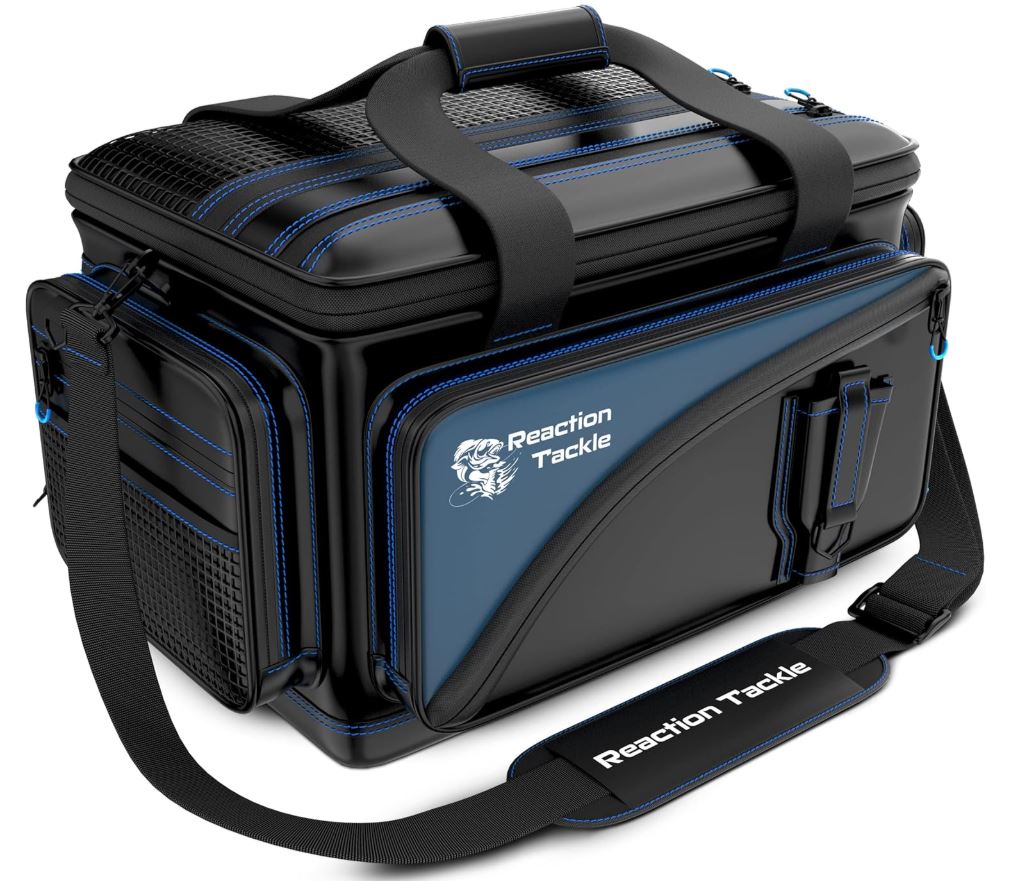
- Tackle bags organized for quick access — you’ll be digging for gear at the launch ramp at 5:30 AM. waterproof tackle bag
Documents (Keep in Accessible Location)
- Passport (and passport card as backup)
- Mexican auto insurance policy
- Mexican fishing license (printed)
- Tourist card (FMM) if applicable
- Emergency contact numbers
Cell Phone and Communication
US carriers vary in Mexico coverage. Most major carriers (AT&T, T-Mobile, Verizon) include Mexico in their international plans — check your plan before departing. Coverage is generally good on MEX 1 through Ensenada and San Quintin. South of San Quintin, service becomes spotty in remote sections. Download offline Google Maps for Baja before crossing the border.
WhatsApp is the dominant messaging platform in Mexico — your charter captain and hotel will almost certainly prefer it for communication.
Speed Limits and Traffic Laws
- Speed limits are posted in kilometers per hour (kph). 100 kph is approximately 62 mph — the standard highway speed limit on MEX 1.
- Speed bumps (topes) are common at town entrances and are often unmarked. Approach every town at walking pace.
- Military and immigration checkpoints are routine on MEX 1 — slow down, roll down your window, be polite. Questions are typically brief (where are you going, how long are you staying). No issues if your documents are in order.
- Don’t drive at night in remote Baja if avoidable — livestock on the road, poor road markings, and limited services create real risks.
Returning to the US
When you re-enter the US:
- Have your passport ready
- Declare your fish catch on the CBP form — 30 pounds per person plus one whole fish. Don’t underestimate your catch or omit it — US Customs agents at San Ysidro and Otay Mesa are very familiar with fishing returns and inspect coolers regularly.
- Surrender your FMM tourist card at the border
Recommended Gear
Affiliate links — as an Amazon Associate, bajafishingguide.com earns from qualifying purchases. No extra cost to you.
Noco Boost Jump Starter
RTIC 65 Cooler
Plano Rod Travel Case

Vehicle Emergency Tool Kit
Surviveware First Aid Kit
Waterproof Tackle Bag
Frequently Asked Questions
Is it safe to drive through Baja to fishing destinations?
The popular fishing corridors — Tijuana to Ensenada, and Ensenada to San Quintin — are well-traveled routes used by tens of thousands of US visitors annually. Check current US State Department travel advisories before your trip. The main highway is generally considered safe for tourist travel.
What vehicle do I need for driving to Baja?
A standard passenger vehicle handles MEX 1 to all major fishing destinations without difficulty. A pickup truck or SUV is more comfortable for accessing dirt roads to remote beaches and launch ramps, but not required for most fishing trips. A vehicle with high clearance helps if you plan to explore beyond the main highway.
Can I bring fishing live bait across the border?
Live bait crossing the US-Mexico border is a complex regulatory question — different rules apply to different species. Frozen or dead bait is generally simpler. Check current US CBP and USDA APHIS rules before attempting to transport live fish or invertebrates across the border.
How long does the border crossing take?
Entering Mexico (southbound) is typically 5–15 minutes — Mexican entry is not the bottleneck. Returning to the US (northbound) is where wait times vary dramatically: 30 minutes at off-peak times to 3+ hours on Friday evenings and holiday weekends at San Ysidro. Check real-time wait times on the CBP app before choosing your crossing time.
Do I need a permit for my boat or trailer in Mexico?
Yes — vehicles towing trailers (including boat trailers) require a temporary vehicle import permit (TIP) for travel beyond the free zone. The TIP requires a credit card deposit and is issued at the border. Research current requirements before towing a boat to Baja.
Plan Your Trip
- How to Plan a Baja Fishing Trip (Complete Guide)
- Get Your Baja Fishing License
- Baja Fishing Gear Guide
- Baja Fishing Seasons Calendar
- Check Current Conditions — fishing-reports.ai
Related Guides
- Ensenada Fishing Guide
- San Quintin Fishing Guide
- Coronado Islands Fishing Guide
- Baja California Fishing Guide
- Best Fishing Spots in Baja
- Baja Fishing Regulations
Affiliate Disclosure: As an Amazon Associate, bajafishingguide.com earns from qualifying purchases. Links to Amazon on this page are affiliate links — if you click and buy, we may earn a small commission at no extra cost to you.